

Shipping hazardous chemicals across international waters is a high stakes operation. The environment is brutal. Between the corrosive salt spray, extreme UV exposure, and the physical abrasion of industrial handling, a standard label simply will not survive. This is where BS5609 certification becomes the non negotiable standard for your facility.
If you are operating a chemical plant or managing a supply chain that involves sea freight, you have likely encountered the term BS5609. However, understanding the nuance between Section 2 and Section 3 is critical to ensuring your Blank Label Rolls and finished products remain compliant with the International Maritime Dangerous Goods (IMDG) code and GHS regulations.
Failure to use the correct certified label can lead to shipments being rejected at port, massive regulatory fines, and significant safety risks. At C4 Label Solutions, we specialize in providing the professional-grade materials required to meet these exacting standards.
UNDERSTANDING THE BS5609 STANDARD
The British Standard BS5609 is a technical specification for pressure-sensitive, adhesive-coated labels used for marine applications. Its primary goal is to ensure that even if a drum of chemicals is lost at sea, the label remains attached and legible for at least three months. This allows rescuers or recovery teams to identify the hazards and handle the container safely.
The certification is divided into two distinct parts: Section 2 and Section 3. While they work together, they test different components of the labeling solution.
SECTION 2: TESTING THE FOUNDATION OF YOUR BLANK LABEL ROLLS
Section 2 focuses exclusively on the Blank Label Roll itself. It tests the base material (the substrate) and the adhesive performance. Before any printing is even considered, the blank label must prove it can survive the harshest conditions on Earth.
When we supply BS5609 Section 2 certified labels, they have undergone rigorous laboratory testing, including:
- 90-Day Saltwater Immersion: The labels are submerged in salt water for three months to ensure the adhesive does not fail and the material does not disintegrate.
- Artificial Weathering: Exposure to intense UV light and extreme temperature cycles to simulate months on the deck of a cargo ship.
- Dimensional Stability: Ensuring the label does not shrink, curl, or lift at the edges when exposed to moisture and heat.
- Adhesion Strength: Testing the bond between the label and the substrate (usually a metal or plastic drum) after exposure.
SELECTING THE RIGHT MATERIAL FOR SECTION 2 COMPLIANCE
Not all materials are created equal. Depending on your specific container shape and chemical contents, you need a material engineered for performance.
- Polyester (PET): This is often considered the most robust in class for chemical labeling. Polyester blank label rolls offer unrivaled durability and resistance to high temperatures and harsh solvents.
- Vinyl (PVC): Known for its exceptional flexibility, vinyl is the preferred choice for curved surfaces or containers that may expand and contract. It provides a professional-grade finish that conforms to the shape of the drum.
- Polypropylene (Polypro/BOPP): A cost-effective yet highly durable option. Polypro blank label rolls offer moisture resistance and are frequently used for GHS and BS5609 certified labels in high-volume applications.

SECTION 3: THE FINAL STEP IN PRINTED PERFORMANCE
While Section 2 covers the "blank" label, Section 3 covers the "printed" label. You can have the world's strongest adhesive, but if the ink washes off the moment it hits saltwater, your label is useless and non-compliant.
Section 3 certification is a combination test. It evaluates the specific printer, the specific ink or ribbon, and the specific Section 2 material as a single unit. If you change any one of these three variables, your Section 3 certification is technically void.
Key testing criteria for Section 3 include:
- Legibility after Abrasion: The printed text and GHS pictograms are subjected to a mixture of sand and artificial seawater to simulate the physical wear of sea travel.
- Colorfastness: Ensuring the red borders of GHS pictograms and black text do not fade under intense UV exposure.
- Print Permanence: Verifying that the ink chemically bonds with the topcoat of the label material.
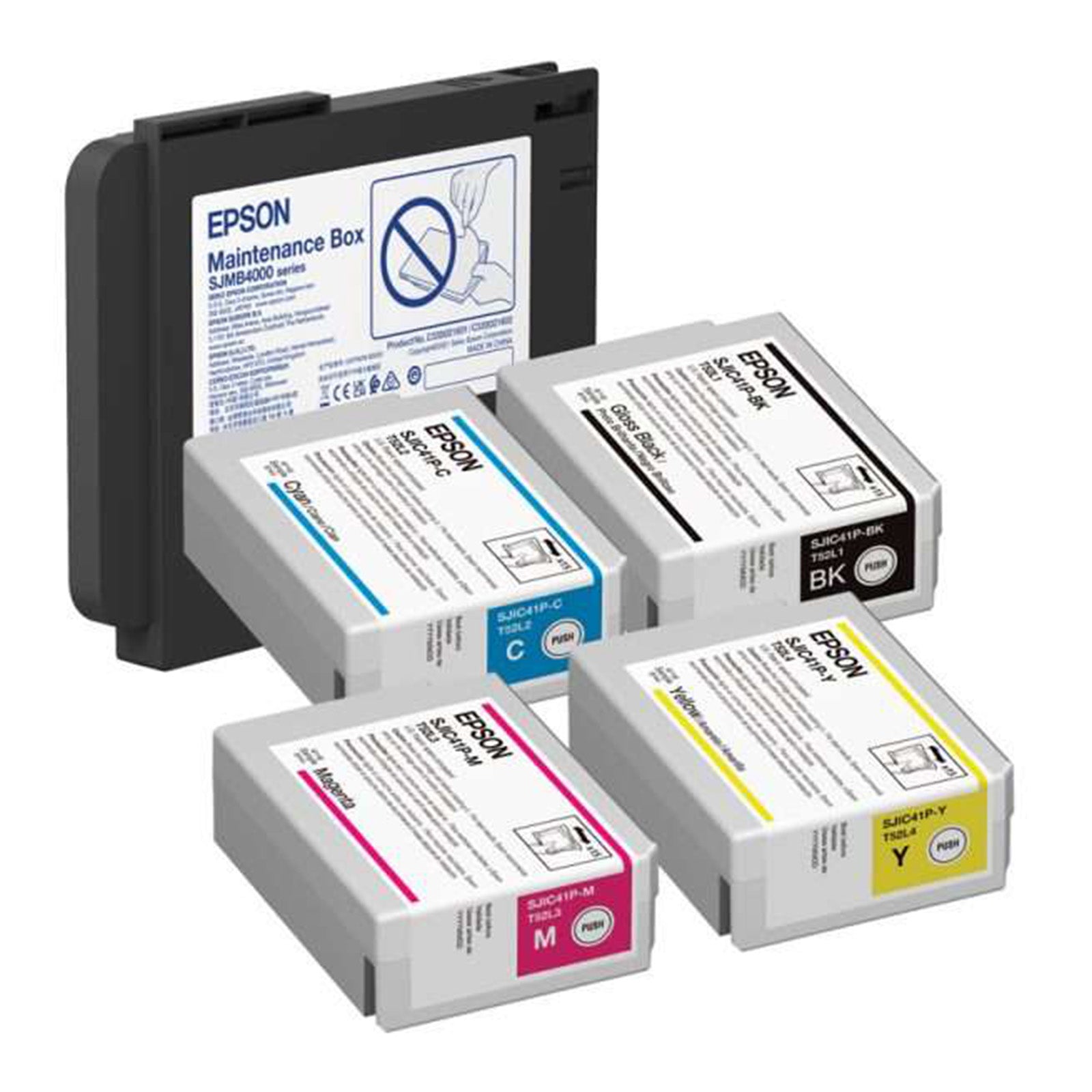
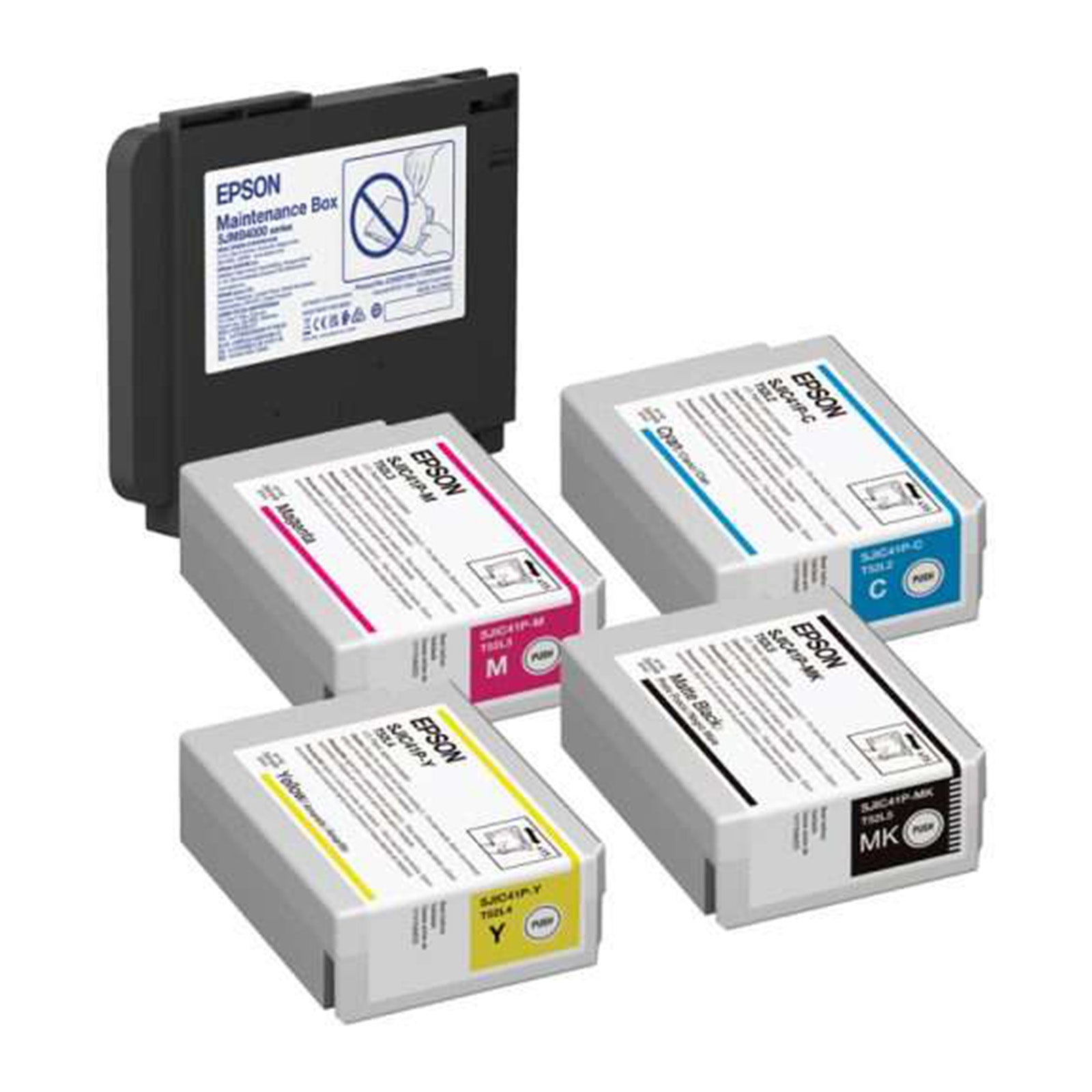
Because Section 3 is so specific, chemical plants often choose Epson ColorWorks or NeuraLabel systems. These printers are frequently paired with our BS5609 certified materials to create a fully compliant in-house printing solution. You can view our GHS collection to see compatible solutions.
WHICH CERTIFICATION DOES YOUR BUSINESS NEED?
The short answer: You need both.
If you are shipping hazardous materials via ocean freight, the IMDG requires the final label on the drum to be fully BS5609 compliant. This means you must start with a Section 2 certified blank label roll and print it using a system that has passed Section 3 testing for that specific material.
KEY CONSIDERATIONS FOR CHEMICAL PLANTS
- Material Compatibility: Ensure your Polypro, Vinyl, or Polyester labels are compatible with your specific printer (Inkjet vs. Thermal Transfer).
- Adhesive Requirements: Labels for plastic drums require different adhesive properties than those for metal drums.
- Shape and Size: We offer all shapes and sizes to fit everything from small laboratory vials to 55-gallon chemical drums.
- Environmental Factors: Will the labels be exposed to additional chemicals during the filling process? This may require a more rugged polyester substrate.

SAVE YOURSELF TIME AND MONEY WITH THE RIGHT PARTNER
Navigating the complexities of GHS and BS5609 compliance can be overwhelming. Choosing the wrong Blank Label Rolls results in wasted inventory and potential legal headaches. At C4 Label Solutions, we eliminate the guesswork.
We provide unrivaled expertise in selecting the correct material, shape, and size for your specific facility requirements. Whether you need Moisture Resistant labels for long-term durability or BS5609 certified rolls for international shipping, we have the stock and the knowledge to deliver.
PRODUCT FEATURES AT A GLANCE
- Engineered to withstand 90-day saltwater immersion.
- Designed to deliver high-contrast print for GHS pictograms.
- Built to withstand extreme UV exposure and physical abrasion.
- Available in all materials: Polypro, Vinyl, and Polyester.
- Custom shapes and sizes tailored to your specific containers.

WHY C4 LABEL SOLUTIONS IS YOUR BEST BET
We don't just sell labels; we provide compliance security. Our inventory of Blank Label Rolls is curated to meet the needs of the most demanding industrial environments. When you work with us, you are getting more than a product; you are getting a partner dedicated to your operational success.
If you are unsure whether your current labels meet BS5609 Section 2 or Section 3 requirements, it is time for an audit. Don't wait for a shipment to be seized or a safety incident to occur.

CONTACT THE EXPERTS TODAY
Ready to upgrade your chemical labeling system? We have the Blank Label Rolls you need in the materials your facility demands. From Polypro to Polyester, we ensure your labels stick, stay, and remain legible no matter what the ocean throws at them.
For expert guidance on GHS and BS5609 compliance, or to order custom shapes and sizes for your plant, reach out to us now.
713 828 4777
Contact us online: https://c4labels.com/pages/contact