

In the high-stakes world of laboratory research and clinical diagnostics, data integrity is everything. A single misidentified sample can lead to catastrophic errors, lost research, and compromised patient safety. While most professionals focus on the accuracy of their pipettes and the calibration of their mass spectrometers, the humble label often goes overlooked. However, in a laboratory environment, standard office labels are a liability. They fail when they meet the very substances used to keep the lab sterile and operational.
Laboratory professionals regularly use aggressive cleaning agents and solvents such as Isopropyl Alcohol (IPA), Xylene, Acetone, and Ethanol. These chemicals are designed to dissolve organic matter and residues, but they also happen to be incredibly effective at dissolving standard adhesives and ink. Understanding the science behind chemical resistant labels is not just about organizational efficiency; it is about ensuring the reliability of every test result your facility produces.
At C4 Label Solutions, we specialize in providing high-performance blank label rolls engineered to withstand the world's most demanding environments. Whether you are managing a histology lab or a high-throughput pharmaceutical facility, choosing the right material is the first step toward total compliance and safety.
The Chemistry of Label Failure
Standard labels typically consist of a paper face stock and a rubber-based or standard acrylic adhesive. When exposed to common lab solvents, these components undergo rapid degradation. Acetone and Xylene are particularly aggressive. They penetrate the label surface and break down the chemical bonds of the adhesive, causing the label to "flag" (the edges curl up) or fall off the vial entirely.
Furthermore, if the printing method used is not matched to the material, the ink itself will smear or vanish. Direct thermal labels, while convenient, are notoriously sensitive to heat and chemicals. A single drop of IPA can turn a barcode completely black or erase it entirely. This creates a massive operational bottleneck and introduces unacceptable risks in specimen tracking.
Why Surface Energy Matters
When applying labels to plastic labware, such as Polypropylene (PP) or Polyethylene (PE) tubes, you are dealing with "low surface energy" (LSE) materials. These plastics are naturally resistant to bonding. When you combine an LSE surface with the presence of chemical residues or solvents, a standard label has almost no chance of maintaining its bond. Professional-grade chemical resistant labels utilize specialized high-tack acrylic adhesives engineered specifically to "wet out" on these difficult surfaces.

Selecting the Right Face Stock Materials
To survive in a laboratory, the label material itself must be synthetic. Paper is never an option for chemical exposure. There are two primary contenders for lab-grade blank labels, each with its own performance profile.
Polyester (PET) Labels
Polyester is widely considered the most robust in class for chemical resistance. It offers unrivaled durability when exposed to harsh solvents like Xylene and Acetone. This is why Polyester (PET) is the gold standard for histology and pathology applications where slides are often immersed in solvent baths for staining.
-
Technical Advantages of Polyester
- High Temperature Resistance: Withstands autoclaves and water baths.
- Solvent Immunity: Resistant to long-term exposure to IPA, Ethanol, and DMSO.
- Dimensional Stability: Does not shrink or stretch under stress.
Polypropylene (PP) Labels
Polypropylene is a more cost-effective synthetic option. While it is highly resistant to moisture and many mild cleaners, it is not as robust as polyester when it comes to aggressive solvents like Toluene or Xylene. PP labels are an excellent choice for general labware, secondary containers, and storage bins that are primarily wiped down with IPA or bleach solutions rather than immersed in chemicals.
The Critical Role of Thermal Transfer Printing
The material is only half of the equation. To achieve true chemical resistance, the printing method must be equally resilient. Thermal transfer printing is the industry standard for creating permanent, high-resolution labels. Unlike inkjet or laser printing, which sits on the surface of the material, thermal transfer uses a heated printhead to melt a ribbon's ink into the face stock.
However, not all ribbons are created equal. To survive the laboratory environment, you must use a Full Resin Ribbon.
Why Resin Ribbons Are Essential
Full resin ribbons are engineered for maximum durability. They contain a high concentration of resin that, when melted onto a Polyester label, creates a bond that is virtually indestructible.
- Wax Ribbons: Should never be used in a lab. They smear with a simple touch and dissolve instantly in alcohol.
- Wax and Resin Ribbons: Offer moderate smudge resistance but will fail when exposed to Acetone or Xylene.
- Full Resin Ribbons: Provide exceptional resistance to chemicals, heat, and abrasion. These are the only ribbons recommended for clinical and industrial laboratory use.
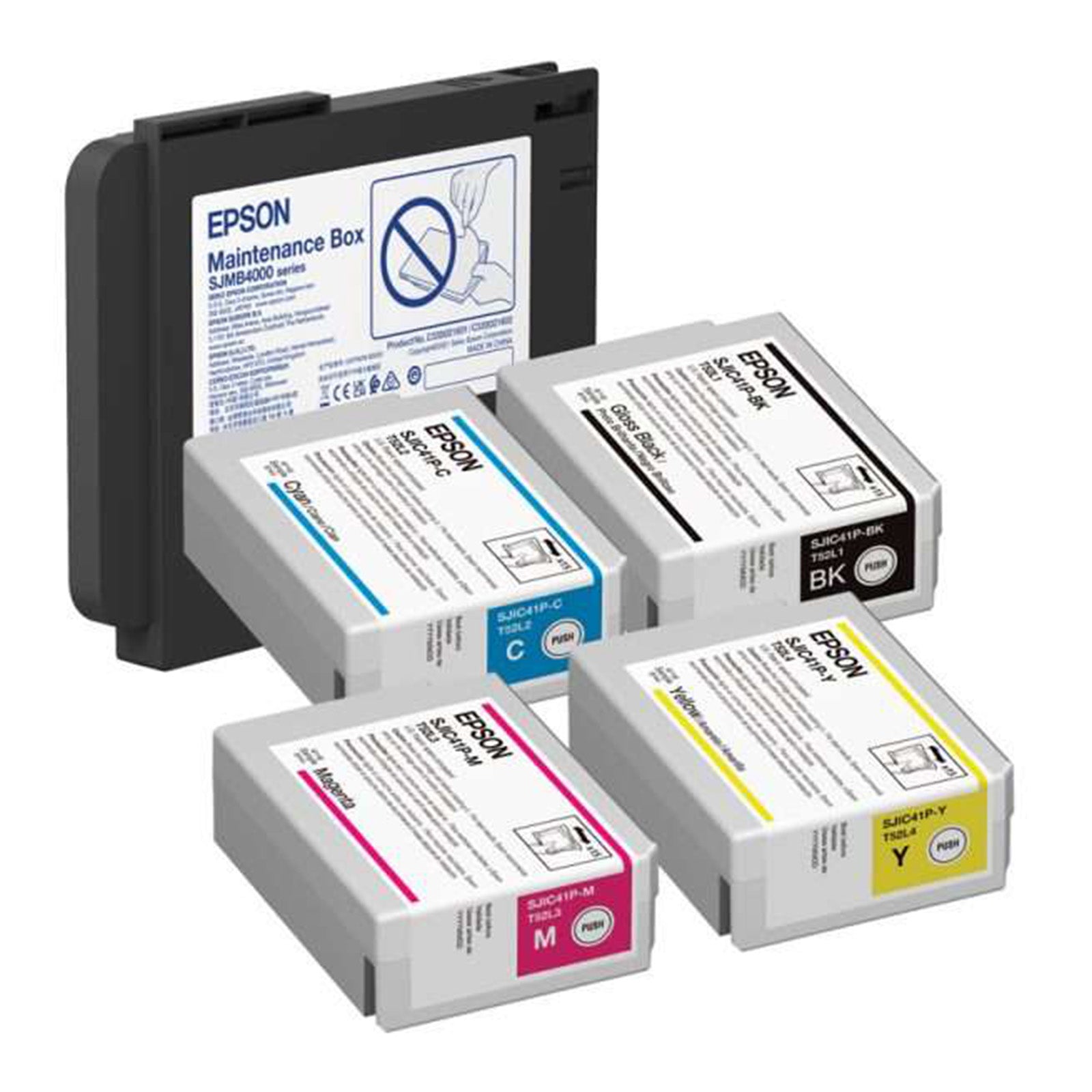
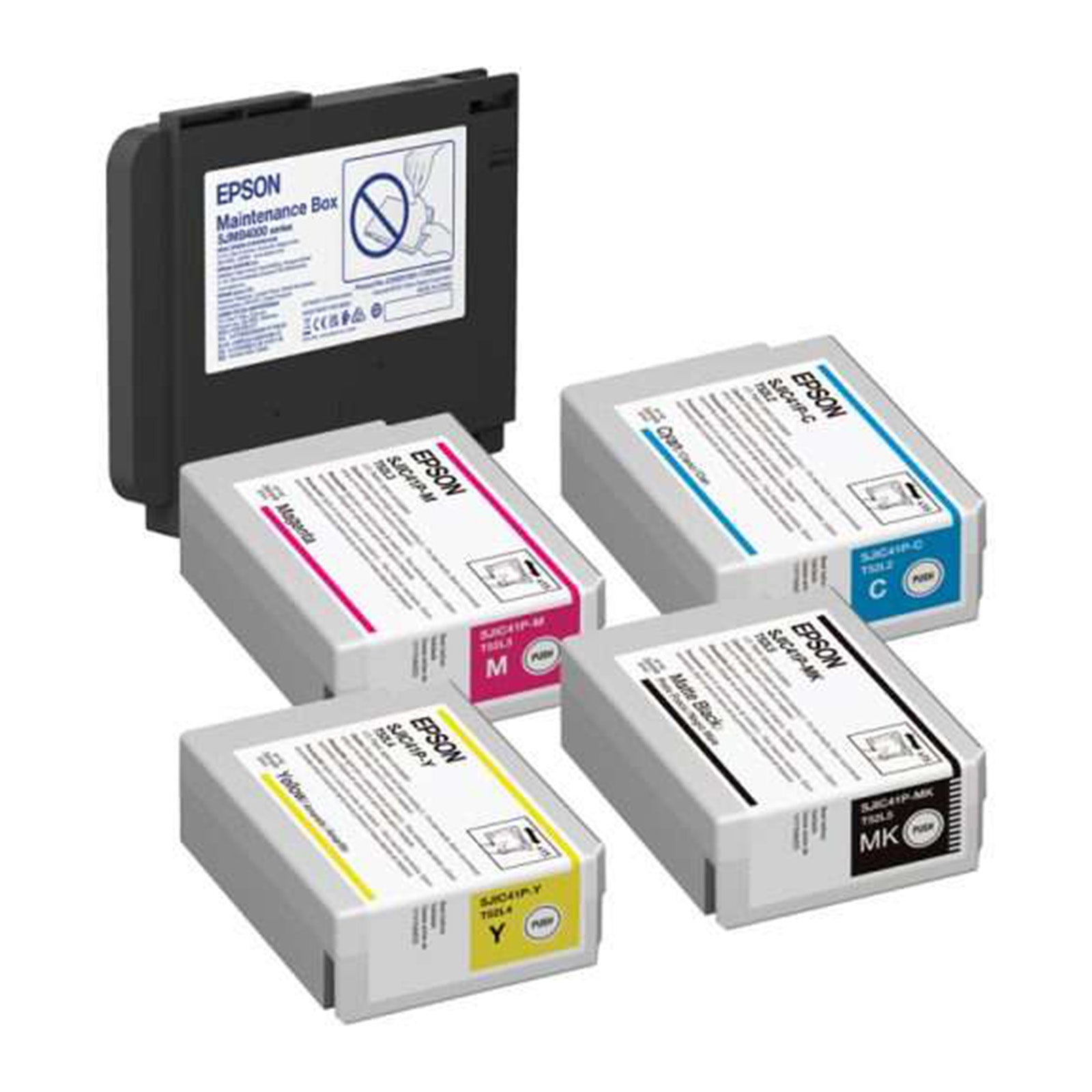
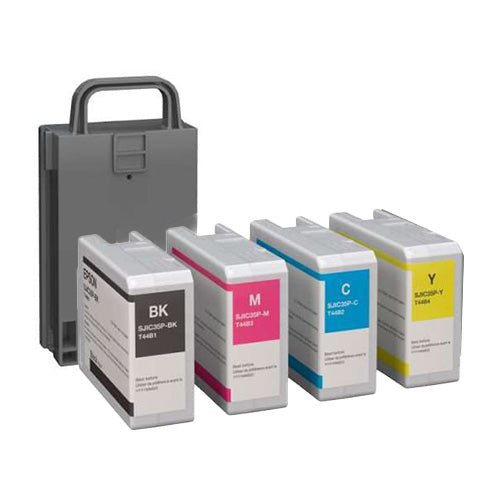
For those looking to optimize their printing workflow, exploring high-quality label printer supplies is essential to matching the right ribbon with your specific label stock.

High-Stake Applications for Chemical Resistant Labels
Different areas of the laboratory present unique challenges. Identifying your specific workflow is key to selecting the right blank label rolls.
Histology and Pathology
In these departments, labels are often subjected to the most extreme conditions. Microscope slides and tissue cassettes go through "staining lines" where they are immersed in Xylene, Alcohol, and various reagents for extended periods. In these cases, the label and the adhesive must be specifically rated for immersion. Failure to use a histology-grade label results in labels falling off in the solvent bath, rendering the samples unidentifiable.
Pharmaceutical Manufacturing
Compliance with GHS (Globally Harmonized System) and OSHA safety standards requires that all chemical containers are clearly labeled with legible warnings and identification. These labels must survive frequent cleaning and potential spills. Using chemical resistant labels ensures that safety information remains readable for the entire lifecycle of the container, maintaining regulatory compliance and protecting workers.
Cold Chain and Cryogenic Storage
While not strictly a chemical resistance issue, many lab chemicals are stored in ultra-low temperature freezers (-80°C) or liquid nitrogen (-196°C). The labels used here must be "Cryo-compatible." Often, these labels are also required to be resistant to the alcohol used to wipe down the vials before they are placed in storage. We offer specialized blank label rolls designed to handle both the extreme cold and the chemical wipe-downs.
Engineering the Solution for Your Lab
At C4 Label Solutions, we believe that labeling should be the easiest part of your job. We work closely with lab managers to identify the specific chemicals in use and the surfaces being labeled. This data-driven approach allows us to recommend the perfect combination of face stock, adhesive, and resin ribbon.
Technical Specifications to Consider
When ordering your labels, have the following technical data ready:
- Chemical Exposure Type: Is it a brief wipe-down or a 30-minute immersion?
- Specific Solvents: Are you using Acetone, Xylene, IPA, or more exotic chemicals like Methyl Ethyl Ketone (MEK)?
- Temperature Range: Does the label need to survive an autoclave cycle (121°C) or a cryo-freezer?
- Surface Type: Is it glass, stainless steel, or a low-energy plastic?

Save Yourself Time and Money
Investing in professional-grade chemical resistant labels SAVES YOU TIME and MONEY by eliminating the need for re-labeling and preventing the loss of valuable samples. When a label fails, the cost is not just the price of a new label; it is the cost of the labor required to identify the sample, the risk of error, and the potential loss of the specimen itself.
Our commitment is to provide unrivaled quality and technical support. We offer millions of product options, ensuring that no matter how niche your laboratory requirement is, we have a solution that is built to withstand your specific environment.
Contact C4 Label Solutions Today
Don't let a failed label compromise your research or your compliance. Our team of experts is ready to help you find the most robust labeling solutions for your laboratory. Whether you need high-performance Polyester labels or specialized Full Resin Ribbons, we have the inventory and expertise to deliver.
CALL C4 LABEL SOLUTIONS AT 713 828 4777
You can also reach out to us via email or our website to discuss your technical requirements and request samples for testing in your specific environment. Work with a partner who understands that in the lab, there is no room for error.