

Choosing the right label rolls for your business isn't just about finding the cheapest option: it's about matching the technology to your specific operational needs. Whether you're printing shipping labels, product labels, or inventory tags, understanding the fundamental differences between thermal transfer labels and inkjet label rolls can save you thousands of dollars in operational costs while ensuring your labels perform exactly as needed.
The decision between these two dominant labeling technologies impacts everything from print quality and durability to ongoing operational expenses and maintenance requirements. This comprehensive comparison will help you make an informed decision that aligns with your business volume, budget, and performance requirements.
Understanding the Core Technologies
Thermal transfer printing operates by using controlled heat to transfer dye from a specialized ribbon onto label material. This process creates exceptionally durable, professional-grade labels that resist fading, moisture, and environmental wear. The technology requires thermal transfer labels specifically designed to work with heated ribbon systems.
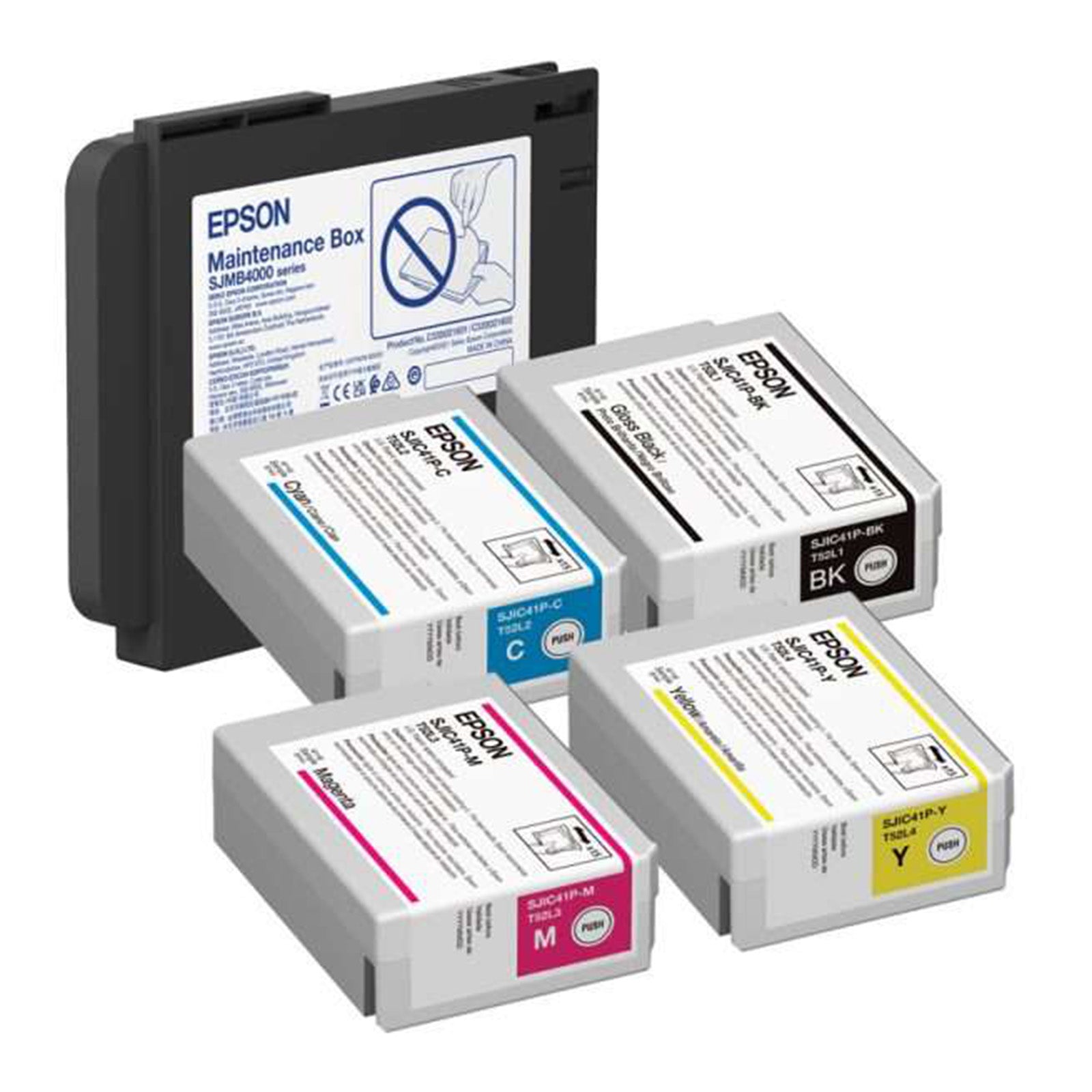
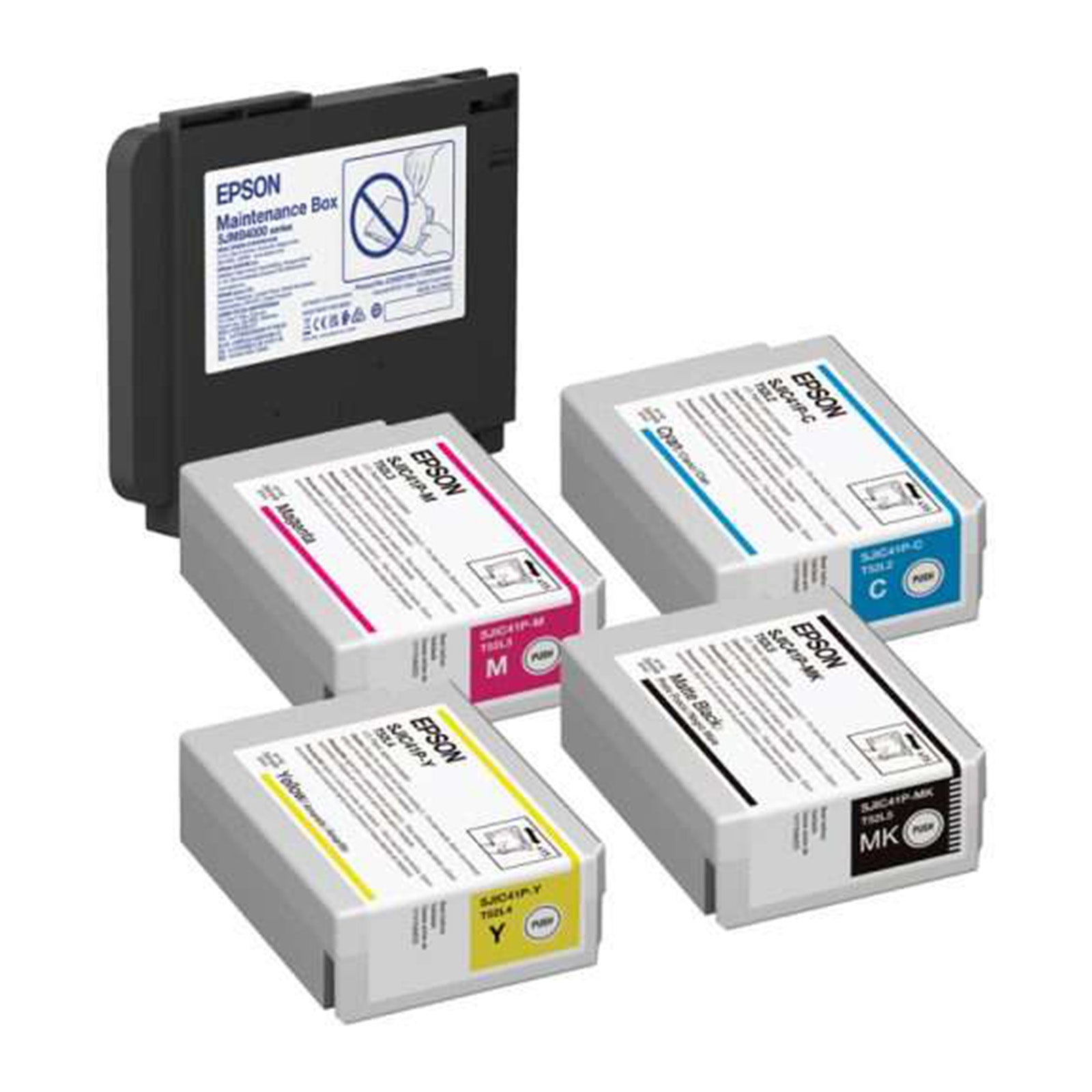
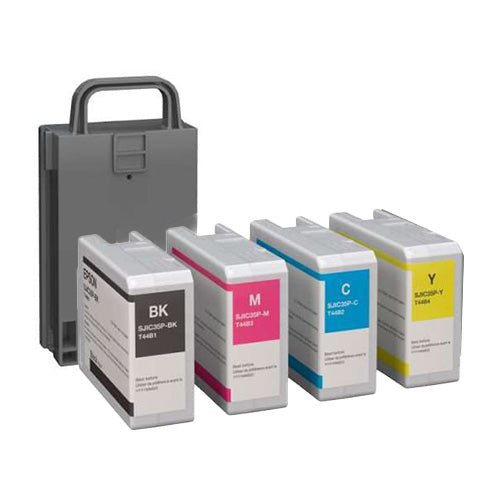
Inkjet printing applies precise droplets of liquid ink directly onto label surfaces through microscopic nozzles. This method delivers vibrant, full-color output with remarkable detail resolution. Inkjet systems can work with various blank label rolls including glossy, matte, and synthetic materials without requiring specialized ribbons.

Thermal Transfer Labels: Built for Durability
Unrivaled Performance Advantages
Thermal transfer labels excel in demanding industrial and commercial environments where label longevity is non-negotiable. These labels produce razor-sharp text and graphics with exceptional resistance to:
• Environmental factors - moisture, extreme temperatures, UV exposure
• Physical wear - scratching, abrasion, chemical contact
• Time degradation - maintains print quality for years
• High-volume operations - fast print speeds with zero drying time
• Material versatility - works on plastics, synthetics, and specialty substrates
The technology delivers consistent, professional results across massive print runs while requiring minimal maintenance intervention. Thermal transfer labels are engineered for applications where label failure isn't an option.
Operational Considerations
The primary limitation centers on color capability: thermal transfer systems typically produce monochrome or single-color output only. This restricts branding opportunities for businesses requiring vibrant, multi-color product labeling solutions.
Ongoing costs include ribbon replacement, which adds operational expenses beyond the initial label investment. However, the superior durability often offsets these costs through reduced reprinting and replacement needs.
Inkjet Label Rolls: Maximum Design Flexibility
Visual Excellence and Versatility
Inkjet label rolls deliver stunning full-color, high-resolution output perfect for branded packaging and marketing applications. Key advantages include:
• Complete color spectrum - vibrant graphics with photo-quality resolution
• Rapid setup - no plates or extensive preparation required
• Material compatibility - works with diverse substrates including coated papers and films
• Design flexibility - easy modification for small runs and custom applications
• Cost-effective entry - lower upfront equipment investment
This technology excels for businesses prioritizing visual impact and requiring frequent design modifications for product labeling solutions.

Performance Limitations
Ink cartridge replacement represents a significant ongoing expense, particularly for high-volume operations. Print speeds are notably slower compared to thermal systems, especially for detailed, high-resolution jobs.
Durability concerns include potential smudging without proper coating and reduced fade resistance in harsh environments. Inkjet label rolls require careful material selection and post-print treatment for demanding applications.
Head-to-Head Performance Comparison
| Performance Factor | Thermal Transfer | Inkjet |
|---|---|---|
| Color Capability | Monochrome/Single color | Full-color, high-resolution |
| Initial Investment | Higher equipment cost | Lower to moderate |
| Operational Expenses | Moderate (ribbon costs) | Higher (frequent ink replacement) |
| Durability Rating | Excellent, fade-resistant | Variable, coating-dependent |
| Print Speed | Fast, bulk-optimized | Slower, detail-focused |
| Material Range | Thermal-specific, synthetics | Wide variety, standard substrates |
| Maintenance Needs | Minimal, robust design | Regular, printhead care |
| Setup Complexity | Moderate learning curve | Simple, user-friendly |
| Environmental Resistance | Superior | Limited without coating |
| Best Volume Range | High-volume operations | Small to medium runs |
Strategic Business Applications
Choose Thermal Transfer When:
High-volume operations drive your labeling requirements: shipping, logistics, inventory management, and barcode applications. Your labels must withstand harsh environments including warehouses, outdoor storage, or industrial facilities with temperature fluctuations and moisture exposure.
Long-term durability is essential for product identification, asset tracking, or compliance labeling where labels must remain legible for months or years. Your operation values minimal downtime and requires consistent, reliable performance from office label supplies.
Cost optimization through reduced reprinting and replacement makes thermal transfer ideal for businesses printing thousands of labels monthly with standardized designs.

Choose Inkjet When:
Branded packaging and marketing materials require full-color, visually compelling labels that differentiate products and enhance brand recognition. Your business operates small to medium print runs where design flexibility and quick turnaround matter more than maximum durability.
Diverse substrate requirements necessitate printing on various materials without investing in multiple specialized systems. You need cost-effective setup for in-house production without significant capital equipment investment.
Controlled environments like retail, office, or indoor storage where labels won't face extreme conditions make inkjet systems perfectly adequate while delivering superior visual appeal.
Total Cost of Ownership Analysis
Thermal transfer systems require higher upfront investment but deliver superior long-term value for high-volume users. The combination of faster print speeds, minimal maintenance, and exceptional label durability creates compelling economic advantages over time.
Inkjet systems offer attractive entry-level pricing but ongoing ink costs can quickly exceed thermal transfer operational expenses for businesses exceeding moderate print volumes. However, the ability to produce professional-quality color labels in-house provides significant value for marketing-focused applications.
Making the Strategic Decision
Successful product labeling solutions align technology capabilities with specific business requirements. Consider your primary applications, expected volumes, environmental conditions, and total cost tolerance when evaluating options.
Many growing businesses benefit from hybrid approaches: using thermal transfer for high-volume, durable applications like shipping and inventory while maintaining inkjet capability for branded products and marketing materials. This strategy optimizes both cost efficiency and label performance across diverse operational needs.
The key is matching label technology to intended use rather than choosing based solely on initial equipment costs. Quality label rolls from trusted suppliers ensure optimal performance regardless of the technology you select, making supplier expertise a critical factor in your decision process.