

In the high-stakes world of food logistics and pharmaceutical distribution, inventory integrity is the difference between a profitable shipment and a total loss. When products move through the cold chain, they encounter extreme temperature fluctuations, high humidity, and heavy condensation. Standard paper labels fail almost instantly in these environments, leading to peeling, smearing, and catastrophic data loss. To maintain a professional-grade operation, businesses must transition to moisture resistant labels specifically engineered for the rigors of cold storage.
At C4 Label Solutions, we provide the most robust in class labeling materials designed to withstand the harshest thermal transitions. Whether you are managing a frozen seafood warehouse or a temperature-controlled medical facility, your labeling system must be unrivaled in its reliability. Failure is not an option when safety and compliance are on the line.
The Science of Moisture Resistance and Material Selection
The foundation of a reliable cold chain label is the facestock. While traditional paper labels absorb water and lose structural integrity, synthetic blank label rolls offer exceptional durability. For food logistics, Polypropylene (BOPP) is the industry standard for high-performance moisture resistance.
Why Synthetic Materials Outperform Paper
- Dimensional Stability: Synthetic films like PP (Polypropylene) and PET (Polyester) do not swell or warp when exposed to 95% relative humidity.
- Tear Resistance: These materials are built to withstand the physical stresses of automated sortation and manual handling in damp conditions.
- Surface Tension: Specialized topcoats ensure that ink from your Epson C6000 or Neuralabel Callisto systems bonds permanently to the surface, preventing smudges even when wet.
Key Material Specifications for Cold Environments
- BOPP (Biaxially Oriented Polypropylene): Ideal for rigid containers and frozen food packaging.
- PE (Polyethylene): A more flexible option engineered for squeezable bottles and curved surfaces.
- Top-Coated Thermal Transfer Film: Designed to provide professional-grade barcode clarity that remains scannable through layers of frost.

SAVE YOURSELF TIME and MONEY with Advanced Adhesive Technology
Adhesion is where most cold chain failures occur. A label that looks perfect at room temperature can "pop off" the moment it hits a 32-degree environment if the wrong adhesive is used. This leads to unidentified inventory, manual re-labeling costs, and potential shipping errors.
Acrylic vs. Rubber Based Adhesives
For moisture resistant labels, we typically recommend freezer-grade acrylic pressure-sensitive adhesives (PSA). These are chemically formulated to maintain their "tack" or stickiness at sub-zero temperatures.
- Cold-Temperature Acrylic: These adhesives are designed to be applied at temperatures as low as -5°C (23°F) and remain functional down to -40°C (-40°F).
- Rubber-Based Hot Melt: These offer an unrivaled initial grab on frosted or damp surfaces but may have lower UV resistance over long durations.
By selecting the correct blank label rolls, you ensure that your labels stay where they belong, from the moment of application to the final point of sale. This level of inventory integrity prevents the costly nightmare of "ghost pallets" that lack identification.
Compliance and Safety in Food Logistics
When labels are used in food environments, they must meet strict regulatory standards. C4 Label Solutions prioritizes compliance to help our customers navigate the complex landscape of safety regulations.
FDA 21 CFR 175.105 Compliance
In the United States, the FDA 21 CFR 175.105 regulation governs adhesives used in indirect food contact. This means the adhesive must not migrate through the packaging into the food product. Our professional-grade cold chain labels are sourced to meet these essential safety requirements, ensuring that your brand remains compliant and your customers remain safe.
Technical Performance Standards
- Application Temperature: The minimum temperature at which the label can be successfully applied to the substrate.
- Service Temperature: The range of temperatures the label can withstand after the adhesive has set (typically 24 hours).
- Chemical Resistance: Protection against cleaning agents and sanitizers used in food processing facilities.

Operational Efficiency and Barcode Scannability
In high-speed logistics, a single unreadable barcode can stop a multi-million dollar sortation system. Moisture resistant labels are not just about staying on the box; they are about maintaining the legibility of the data.
Preventing Scan Errors
When moisture interacts with a standard paper label, the fibers expand, causing the barcode lines to "bleed" or blur. To an automated scanner, a blurred 1D or 2D barcode is invisible. By using synthetic materials and high-quality ink and toner supplies, you guarantee that every scan is successful the first time.
-
Technical Advantage: Thermal Transfer Printing
Thermal transfer printing uses a ribbon to melt ink onto the label surface. This creates a bond that is significantly more resistant to moisture and abrasion than direct thermal printing. For long-term storage in the cold chain, thermal transfer is the most robust in class solution. -
Technical Advantage: Inkjet Durability
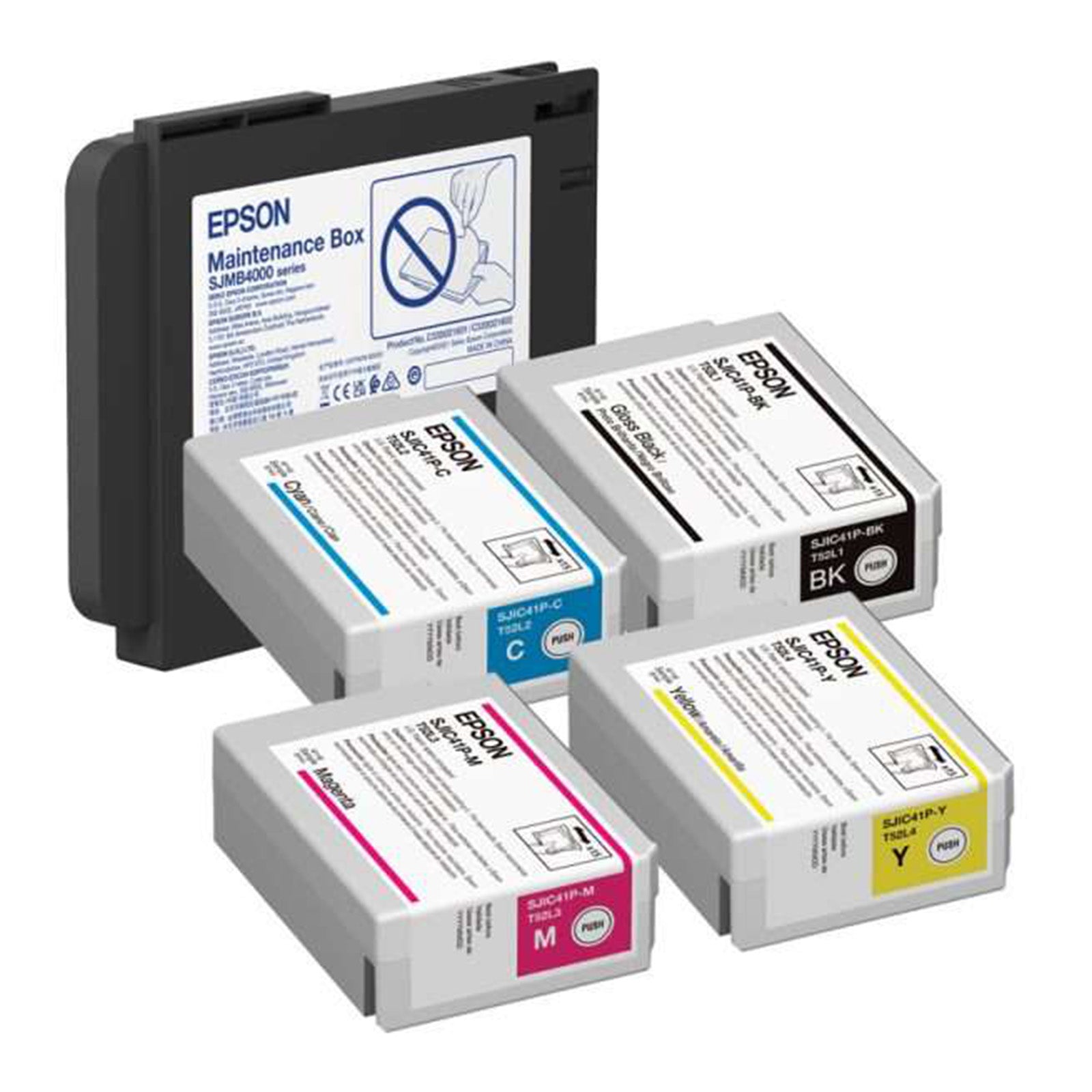
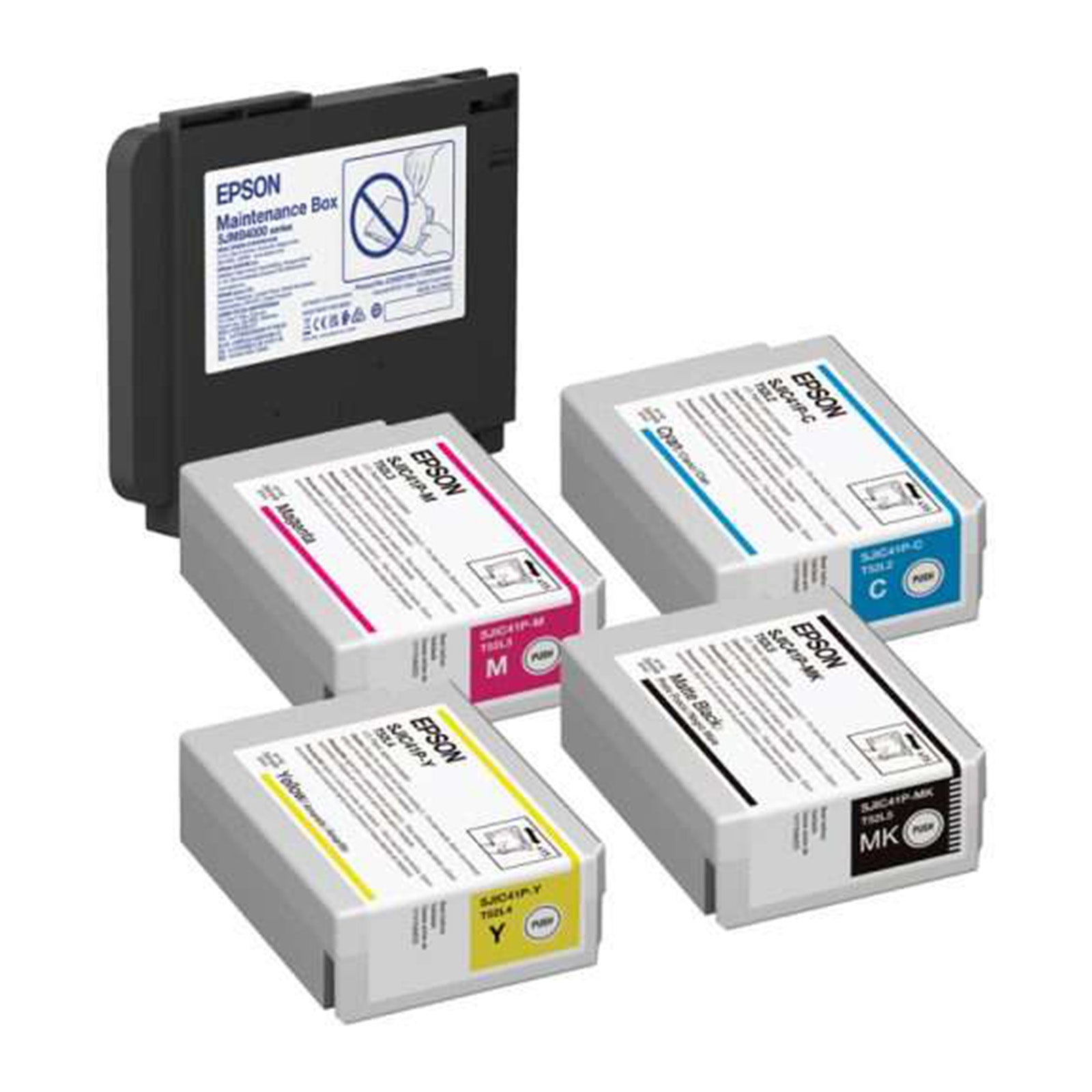
Modern inkjet printers, such as the Epson C6000 series, use pigment-based inks that offer exceptional water resistance. When paired with the correct synthetic facestock, these labels can survive total immersion in ice water without losing a single pixel of detail. You can find specialized Epson C6000 and C6500 ink cartridges at our store to ensure your print quality remains unrivaled.
The Economic Impact of Label Failure
The cost of a label is a fraction of a cent, but the cost of a label failure can be thousands of dollars. Consider the following scenario:
- Labor Costs: A worker must manually identify and re-label a pallet of frozen goods.
- Product Loss: If a label falls off a temperature-sensitive medication or high-value meat product, the item may need to be discarded due to a lack of traceability.
- Compliance Fines: Regulatory bodies often impose heavy fines for missing or illegible safety and origin information.
By investing in moisture resistant labels from the start, you are protecting your bottom line and your brand reputation. C4 Label Solutions works together with your team to find the exact size and material combination that fits your specific machinery and environment.

Conclusion
Maintaining inventory integrity in the cold chain is a technical challenge that requires a professional-grade solution. Don't let moisture and temperature fluctuations compromise your operations. From freezer-grade adhesives to polypropylene facestocks, our team at C4 Label Solutions provides the expertise and the inventory to keep your business moving. We offer millions of products, free shipping on orders over $250, and a commitment to making labeling easier for you.
CALL C4 LABEL SOLUTIONS AT 713 828 4777
If you have questions about which blank label rolls are right for your cold chain application, or if you need to stock up on ink and toner, reach out to our dedicated tech support team today. We are ready to help you find the world's most robust labeling solutions.
Contact Information:
Phone: 713 828 4777
Email: collin@c4labels.com
Website: https://c4labels.com/pages/contact