

When your cargo hits the open ocean, it faces some of the most punishing conditions on the planet. From corrosive salt spray and relentless UV exposure to extreme temperature fluctuations and physical abrasion, the maritime environment is a graveyard for substandard labeling materials. For companies transporting hazardous materials and chemicals via sea freight, a simple "waterproof" sticker is not enough. You need BS5609 certified labels that are engineered for resilience and built to withstand the worst conditions the North Atlantic or the Pacific can throw at them.
At C4 Label Solutions, we understand that labeling in the chemical and maritime industries is not just about branding. It is about safety, legal compliance, and operational integrity. Using the wrong blank label rolls can lead to rejected shipments, heavy fines, and dangerous situations if a container is lost at sea and its contents cannot be identified.
SAVE YOURSELF TIME and MONEY by Understanding BS5609
BS5609 is the internationally recognized British Standard for pressure sensitive adhesive labels used in marine environments. This certification is a critical requirement for any business following the International Maritime Dangerous Goods (IMDG) code and the Globally Harmonized System of Classification and Labeling of Chemicals (GHS).
The primary goal of the BS5609 standard is to ensure that if a drum of hazardous chemicals falls off a ship, the label remains attached and legible for at least three months while floating in the ocean. This allows recovery teams and emergency responders to identify the substances safely. Without this certification, your labels are considered non-compliant for international sea transport.

The Two Pillars of Certification. Section 2 and Section 3
Achieving a full BS5609 certification is a two-part process. It is a common mistake in the industry to assume that a "certified" material is all you need. In reality, the certification applies to both the base material and the printed output.
BS5609 Section 2. Material and Adhesive Performance
This section focuses on the weatherproof blank labels themselves. To pass Section 2, the unprinted label material (the face stock and the adhesive) undergoes a grueling 90 day immersion test in salt water.
Key testing criteria for Section 2 include:
- Adhesion Strength: Labels are applied to specific substrates like HDPE (High Density Polyethylene) and aluminum. After three months of submersion, the adhesive must maintain a strong bond without peeling or lifting at the edges.
- Dimensional Stability: The material must not shrink, swell, or curl significantly when exposed to moisture and temperature changes.
- Artificial Weathering: Labels are subjected to intense salt spray and UV light cycles to simulate months of exposure on a ship's deck.
BS5609 Section 3. Print Durability and Legibility
Even if the material stays on the drum, it is useless if the ink washes away. Section 3 tests the combination of the label material and the specific printing system used (the printer and the ink or ribbon). This is why choosing the right moisture resistant label rolls paired with a professional grade inkjet or thermal transfer printer is vital.
Testing for Section 3 includes:
- Colorfastness: The GHS pictograms (red and black) must remain vibrant and distinguishable.
- Abrasion Resistance: The printed image is rubbed with a mixture of sand and salt water to simulate the physical wear of being tossed in the surf or dragged across a deck.
- Legibility: All text, barcodes, and symbols must remain readable to the naked eye and scanners after environmental stress.
Why BS5609 Labels are Non-Negotiable for Hazardous Materials
If you are shipping regulated goods, you are likely already familiar with DOT Labels. However, when those goods move from a truck to a container ship, the stakes increase. The maritime industry relies on the unrivaled durability of BS5609 standards to prevent environmental disasters.
Survival in Marine Immersion
Standard labels often fail within hours of being submerged. The adhesive dissolves, or the paper face stock disintegrates. BS5609 certified labels use specialized synthetic materials like biaxially oriented polypropylene (BOPP) or polyester. These outdoor labels are designed to be "marine grade," meaning they do not absorb water and utilize high-shear adhesives that thrive in wet conditions.
Resistance to Sunlight and Salt
Salt is highly corrosive, and UV rays act as a powerful bleaching agent. Most standard inks will fade to white within weeks of direct sun exposure. BS5609 testing ensures that the pigments used in the printing process are exceptional at resisting UV degradation, keeping your safety warnings visible for the duration of the voyage.

Technical Specifications of Professional-Grade Marine Labels
When selecting blank label rolls for your facility, you need to look at the technical data sheets (TDS) to ensure they meet the rigorous demands of your application.
-
Performance Specifications
- Service Temperature Range: Typically -40 degrees Celsius to +150 degrees Celsius.
- Minimum Application Temperature: Often as low as 0 degrees Celsius for cold weather labeling.
- Adhesive Type: High-tack, permanent solvent acrylic or rubber-based adhesives.
- Face Stock Thickness: Usually ranging from 2.0 to 4.0 mils for optimal flexibility on curved surfaces like chemical drums.
-
Environmental Resistance
- Chemical Resistance: Designed to withstand exposure to solvents, oils, and fuels (e.g., heptane, hydraulic fluid).
- Moisture Barrier: 100% waterproof synthetic construction.
- Abrasion Rating: High resistance to mechanical wear and friction.
Industries That Rely on BS5609 Standards
While chemical manufacturing is the primary driver for these requirements, several other sectors utilize these most robust in class labeling solutions:
- Chemical Manufacturing and Export. Ensuring GHS compliance for solvents, acids, and industrial cleaners.
- Oil and Gas. Labeling equipment and storage containers used on offshore rigs and tankers.
- Pharmaceuticals. Tracking bulk raw materials and hazardous laboratory waste during international transit.
- Paints and Coatings. Managing large shipments of flammable liquids and resins.
- Agrochemicals. Labeling pesticides and fertilizers that are frequently stored in outdoor or damp environments.

Choosing the Right Setup for Your Business
To achieve a fully compliant BS5609 solution, you cannot just buy any roll of labels. You must ensure your entire printing ecosystem is aligned. This includes your blank label rolls, your choice of Accessories, and your printing hardware.
For many of our clients, the most efficient way to produce these labels in house is through high performance color inkjet printers like the Epson ColorWorks series. These machines use pigment based inks that, when paired with the correct synthetic media, meet both Section 2 and Section 3 requirements in a single pass. This eliminates the need for pre-printed labels and allows for on-demand GHS labeling.
The Role of High Quality Blank Label Rolls
The foundation of a compliant label is the substrate. We provide a wide range of weatherproof blank labels that have been pre-tested for Section 2 compliance. These rolls are available in various widths and lengths to fit your specific printer model and container size, from small bottles to 55 gallon drums.
Maintenance and Accessories
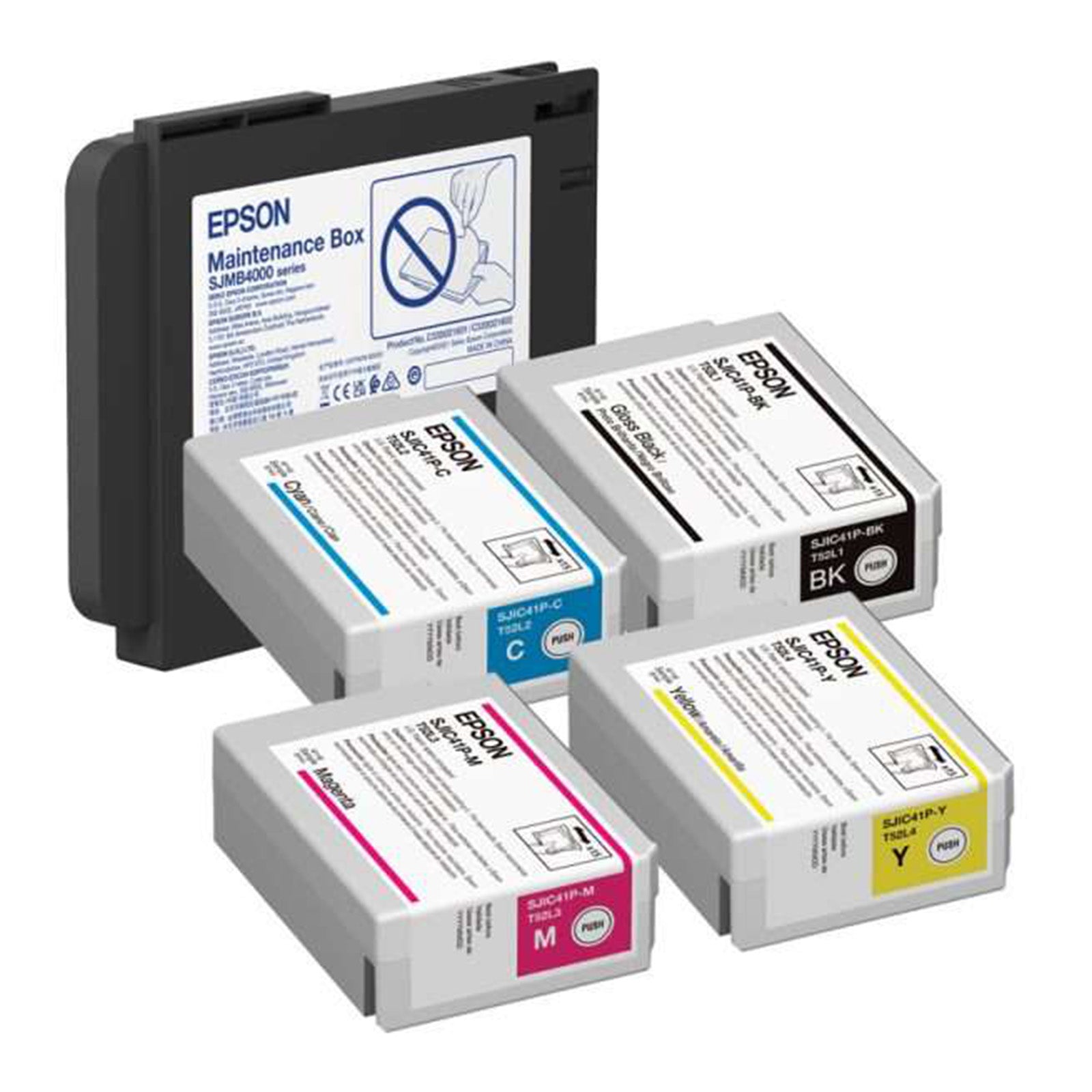
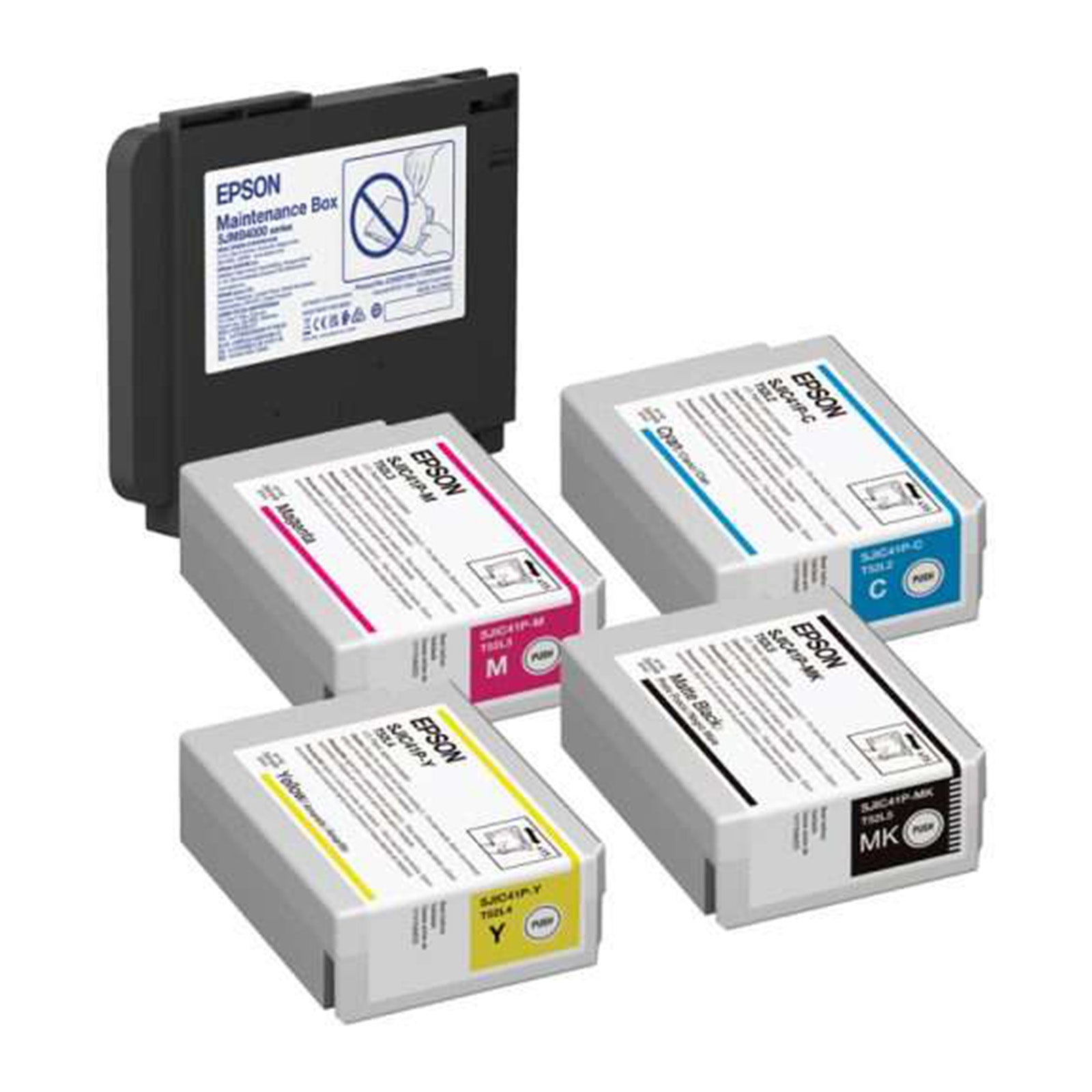
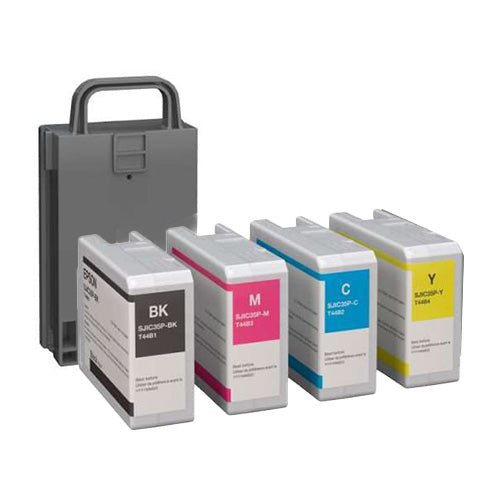
To maintain the integrity of your printing system, utilizing the correct Accessories is paramount. This includes specialized cleaning kits and high capacity ink maintenance boxes that ensure your printheads are firing accurately, preventing "banding" or light spots that could lead to a Section 3 failure.

Final Thoughts on Maritime Compliance
In the world of international logistics, there is no room for error. A failure in your labeling system is a failure in your safety protocol. By investing in professional-grade BS5609 certified labels, you are protecting your employees, your customers, and the environment. You are also ensuring that your shipments move through customs and ports without the costly delays associated with non-compliant markings.
Whether you need moisture resistant label rolls for a small pilot project or thousands of outdoor labels for a global product launch, C4 Label Solutions has the expertise to guide you toward the right choice. Our products are engineered for the toughest jobs and designed to deliver peace of mind.
Don't leave your compliance to chance. Ensure your hazardous materials are Ready for the High Seas with the most reliable labeling solutions on the market today.
Contact Us Today
Ready to upgrade your labeling durability? Our team of experts is standing by to help you find the perfect blank label rolls and printing solutions for your specific industry needs.
Phone. Call us at 850-254-1506
Email. Reach out to us at info@c4labels.com
Online. Visit our Contact Page to send us a message or request a quote.