

Every year, businesses throw away thousands of dollars on label materials that fail in their specific environments. Whether you're running a cold storage facility, managing a chemical plant, or maintaining outdoor equipment, choosing the wrong material doesn't just mean replacing failed labels: it means lost productivity, compliance issues, and unnecessary headaches.
Here's your complete guide to matching the right material to your environment and SAVING YOURSELF TIME & MONEY on labeling solutions that actually work.
The Hidden Cost of Wrong Material Selection
When labels fail in harsh environments, you're not just replacing the label itself. You're paying for:
• Labor costs to remove failed adhesive residue
• Downtime while equipment is re-labeled
• Compliance risks when safety or regulatory labels become unreadable
• Inventory confusion when product identification fails
• Replacement material that should have lasted years, not months
The solution? Match your material to your environment from day one.

Cold Storage Applications: What Works When Temperatures Drop
Cold storage environments present unique challenges that standard paper labels simply cannot handle. When temperatures drop, cheap materials become brittle, adhesives fail, and your entire labeling system breaks down.
Polypropylene (BOPP): The Cold Storage Champion
Polypropylene labels are specifically engineered for low-temperature performance. This material maintains flexibility even in sub-zero conditions, preventing the cracking and peeling that destroys standard labels.
Key advantages:
• Remains flexible down to -40°F (-40°C)
• Moisture resistant for humid cold storage environments
• Chemical resistant against cleaning agents used in food facilities
• Cost-effective compared to specialty materials
Nylon Labels: For Extreme Cold Applications
When you need unrivaled performance in the most extreme conditions, nylon labels deliver exceptional results. These professional-grade materials work reliably even in liquid nitrogen environments.
Technical specifications:
• Temperature range: -320°F to 300°F (-196°C to 149°C)
• High adhesion that maintains bond strength in temperature cycling
• Superior pliability prevents material failure during handling
Perfect for: Medical freezers, cryogenic storage, ultra-low temperature research facilities

Chemical Resistance: Engineered for Harsh Industrial Environments
Chemical processing facilities and refineries demand materials that can withstand aggressive substances without degrading or losing readability. Standard materials fail quickly, creating safety hazards and compliance issues.
Polyvinylidene Fluoride: Maximum Chemical Protection
For the most robust chemical resistance available, polyvinylidene fluoride labels represent the gold standard in industrial applications.
Exceptional resistance to:
• Acids including sulfuric, hydrochloric, and nitric acid
• Solvents like acetone, methanol, and toluene
• Caustic solutions and alkaline cleaners
• UV radiation for outdoor chemical storage
Polyurethane: Flexible Chemical Resistance
Polyurethane labels combine chemical resistance with mechanical durability, making them ideal for equipment that experiences both chemical exposure and physical stress.
Key features:
• Flexibility prevents cracking during equipment vibration
• Abrasion resistance maintains readability through handling
• Chemical barrier protects against oils, fuels, and industrial chemicals
• Temperature stability from -65°F to 300°F (-54°C to 149°C)
Budget-Conscious Chemical Resistance
Polypropylene labels offer moderate chemical resistance at a fraction of the cost of specialty fluoropolymers. While not suitable for extreme chemical exposure, they handle:
• Water and humidity
• Mild acids and bases
• Cleaning solvents
• Oil and grease

Outdoor Applications: Built to Withstand Nature's Extremes
Outdoor labeling faces the ultimate durability test: UV radiation, temperature extremes, moisture, and physical abuse. Choose materials engineered for long-term outdoor performance.
Polyester (PET): The Outdoor Performance Leader
Polyester labels excel in outdoor settings, handling extreme temperatures, UV light, and chemical exposure with unmatched reliability. While polyester represents the most expensive label material available, it justifies the investment through superior longevity.
Performance metrics:
• UV stability: Maintains color and readability for 5+ years outdoors
• Temperature range: -65°F to 300°F (-54°C to 149°C)
• Chemical resistance: Withstands industrial cleaning agents
• Adhesion retention: Over 95% adhesion after extended outdoor exposure
Film labels last roughly 30% longer than standard paper alternatives, delivering better value despite higher upfront costs.
Vinyl Labels: Flexible Outdoor Solutions
Vinyl labels provide excellent flexibility for curved surfaces and equipment that experiences thermal expansion and contraction.
Ideal applications:
• Outdoor signage requiring conformability
• Curved pipe labeling in industrial facilities
• Equipment identification on mobile outdoor machinery
• Temporary outdoor markings with removable adhesives

Cost Optimization Strategies: Smart Purchasing for Long-Term Savings
Calculate True Cost of Ownership
Don't fall into the cheap label trap. Consider these factors when evaluating material costs:
Replacement frequency calculation:
• Paper labels in outdoor applications: 6-12 month lifespan
• Polyester labels in same conditions: 5+ year lifespan
• Labor cost for removal and replacement: $15-30 per label change
• Downtime cost during re-labeling: $50-200 per hour
Material Matching Matrix
Cold Storage Applications:
• Budget choice: Polypropylene (BOPP)
• Premium choice: Nylon for extreme conditions
Chemical Resistance Applications:
• Light chemical exposure: Polypropylene
• Moderate exposure: Polyurethane
• Extreme exposure: Polyvinylidene fluoride
Outdoor Applications:
• Short-term: Vinyl for flexibility
• Long-term: Polyester for maximum durability

Adhesive Selection: The Critical Component You Can't Ignore
Material selection means nothing without proper adhesive matching. Different environments require specific adhesive formulations:
Cold Storage Adhesive Requirements
• Low-temperature cure adhesives maintain bond strength when applied in cold conditions
• Permanent adhesion prevents label lifting during temperature cycling
• Moisture resistance prevents adhesive failure in humid environments
Chemical Resistance Adhesive Properties
• Solvent resistance prevents adhesive degradation from chemical contact
• pH stability maintains performance in acidic or alkaline conditions
• Temperature stability prevents adhesive softening or hardening
Outdoor Adhesive Specifications
• UV resistance prevents adhesive yellowing and degradation
• Weather resistance maintains bond through rain, snow, and ice cycles
• Temperature cycling resistance prevents adhesive failure during thermal stress
Quality Printing Considerations
Your material choice impacts print quality and ink compatibility. Consider these factors:
Thermal transfer compatibility: Polyester and polypropylene work excellently with thermal transfer ribbons for permanent, chemical-resistant printing
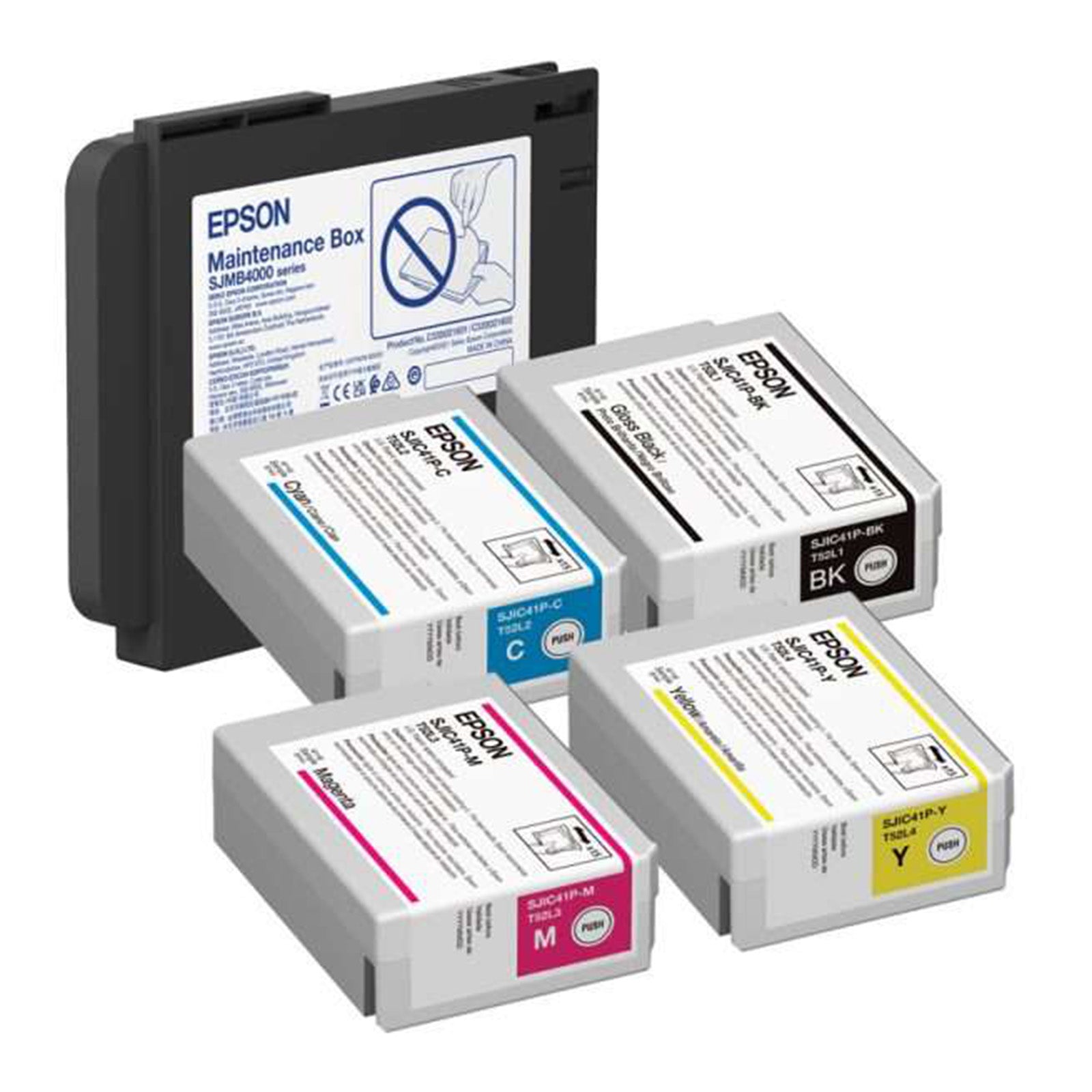
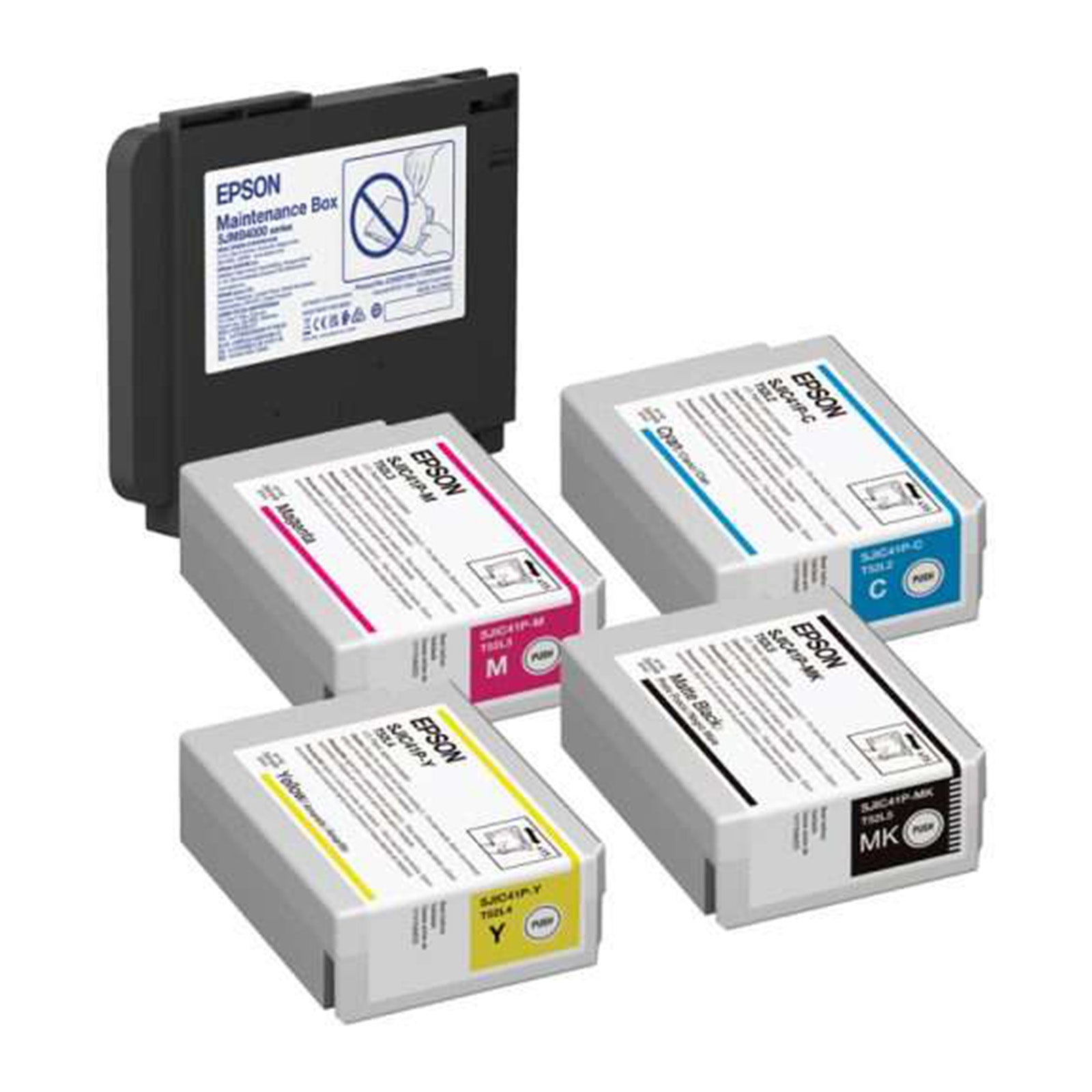
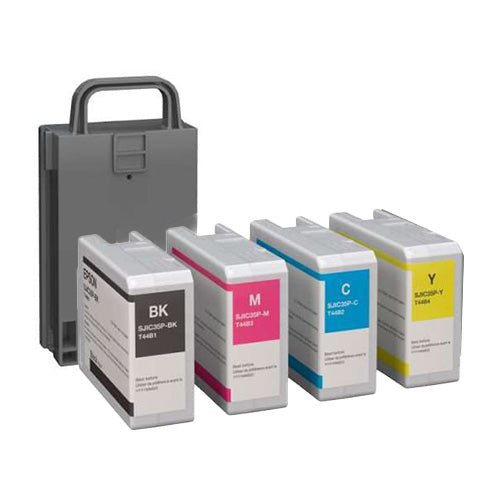
Ink requirements: For color applications, ensure your material works with your ink cartridges and printing system
Print head protection: Abrasive materials can damage print heads, so factor maintenance costs into material selection
Making the Right Choice for Your Application
Stop wasting money on materials that can't handle your environment. Here's your action plan:
Immediate Steps:
- Audit your current labeling failures - where are you replacing labels most frequently?
- Identify your harshest conditions - temperature extremes, chemical exposure, UV radiation
- Calculate replacement costs - labor, downtime, and material expenses
- Match materials to applications using the guidelines above
Long-Term Strategy:
• Standardize on proven materials for each application type
• Build relationships with suppliers who understand industrial requirements
• Monitor performance and adjust material selection based on real-world results
• Train staff on proper application techniques for maximum adhesive performance
Professional-grade labeling requires materials designed to deliver in your specific environment. Whether you're protecting products in -40°F storage or marking equipment in chemical processing plants, the right material choice pays for itself through reduced replacement costs and improved reliability.
Ready to stop wasting money on wrong materials and start saving with proper selection? Contact our labeling experts to discuss your specific application requirements and get material recommendations built to withstand your toughest conditions.