

Maintaining GHS Compliance is a non-negotiable aspect of chemical manufacturing and distribution. The Globally Harmonized System of Classification and Labelling of Chemicals (GHS) was established to ensure that workers have clear, standardized information regarding the hazards of the chemicals they handle. When a label fails, the consequences are immediate: hefty OSHA fines, delayed shipments, and, most importantly, significant safety risks to personnel.
Many facilities believe that by choosing Polyester Labels, they have already won the battle. Polyester is widely regarded as one of the most durable substrates available, offering exceptional resistance to heat, moisture, and tearing. However, durability on paper does not always translate to compliance in the field. Even a high-performance Polyester material can fail a compliance test if the entire labeling system is not engineered for the specific environment it inhabits.
At C4 Label Solutions, we see companies struggle with labeling failures that could have been avoided with better technical alignment. Here are the top five reasons your Polyester Labels are failing GHS Compliance tests and how you can fix them.
1. Failure to Meet BS5609 Section 3 Requirements
A common misconception in the industry is that a BS5609 Section 2 certification is enough. It is not. BS5609 is the British Standard for pressure-sensitive, adhesive-coated labels for marine use. Section 2 tests the blank label material itself, ensuring the Polyester film and the adhesive can withstand 90 days of saltwater immersion.
However, Section 3 tests the finished label: the combination of the material, the adhesive, and the Ink or Toner. Your Polyester Labels might be rugged, but if the ink wipes off during a chemical spill or fades under UV exposure, the label is no longer compliant.
- The Risk: OSHA and international maritime regulators view an illegible label as a "serious" violation.
- The Solution: You must ensure that your specific printer and ribbon/toner combination have been certified together with the Polyester substrate. Using a non-certified ribbon on a certified blank label voids the compliance.

2. Incompatibility with Low Surface Energy (LSE) Plastics
Polyester is a rigid material. When applied to modern plastic drums: many of which are made from High-Density Polyethylene (HDPE) or other Low Surface Energy (LSE) plastics: the label may struggle to stay bonded. If the adhesive is not specifically Engineered for LSE Plastics, the label will eventually "flag" (the edges peel up) or fall off entirely.
GHS Compliance requires that labels remain permanently attached for the duration of the container's lifecycle. If a label detaches in the warehouse or during transit, your facility is technically out of compliance.
Technical Breakdown of Adhesive Failure:
- Initial Tack: The ability of the adhesive to "grab" the surface immediately upon contact.
- Ultimate Adhesion: The bond strength achieved after 24 to 72 hours of dwell time.
- Cold Flow: The ability of the adhesive to flow into the microscopic textures of the drum surface.
If your Polyester Labels are failing because they are falling off, it is likely an adhesive mismatch rather than a failure of the Polyester film itself.
3. Smudging and Abrasion of GHS Pictograms
GHS Pictograms are the red-bordered diamonds that communicate hazards like flammability, toxicity, and environmental danger. These pictograms must remain vivid and intact. Because Polyester is a non-porous material, it requires a high-quality Resin Ribbon (for thermal transfer) or a specific Top Coat (for inkjet) to ensure the ink anchors properly.
If you are using a wax or wax-resin hybrid ribbon on a Polyester label, the ink will sit on the surface rather than bonding to it. The slightest abrasion from a forklift, a pallet strap, or a gloved hand can smear the red border or the black icon. Once a pictogram is distorted, the label is non-compliant.
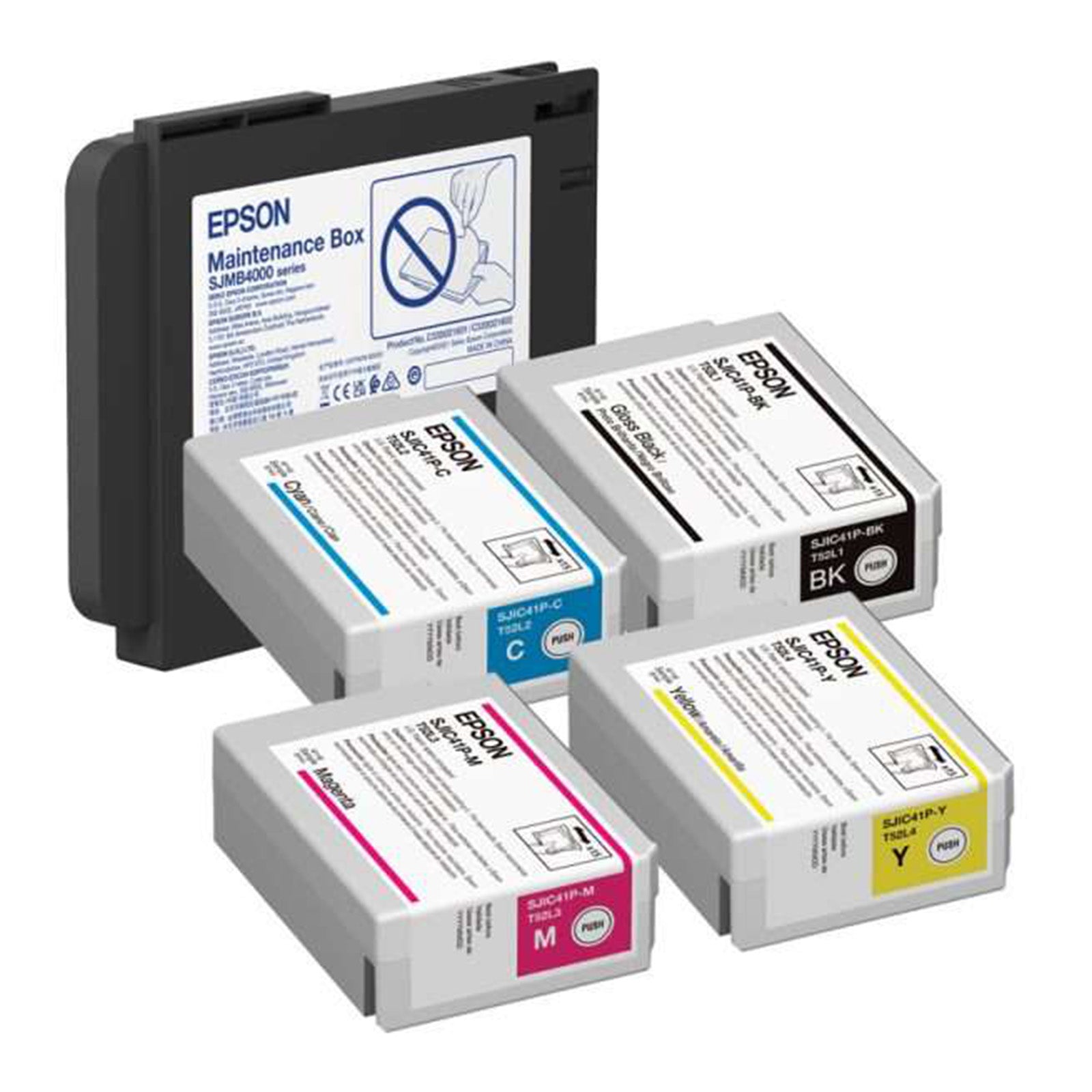
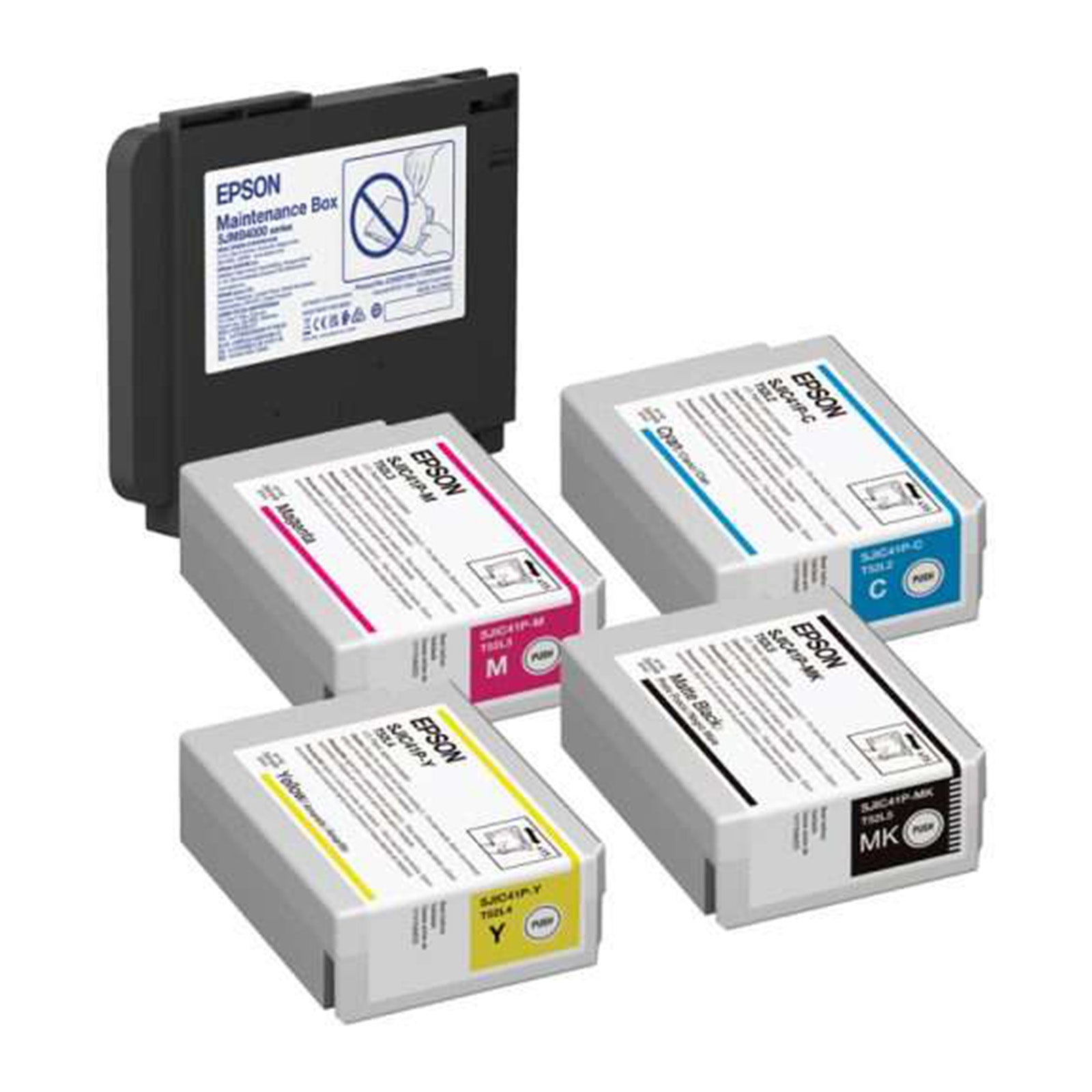
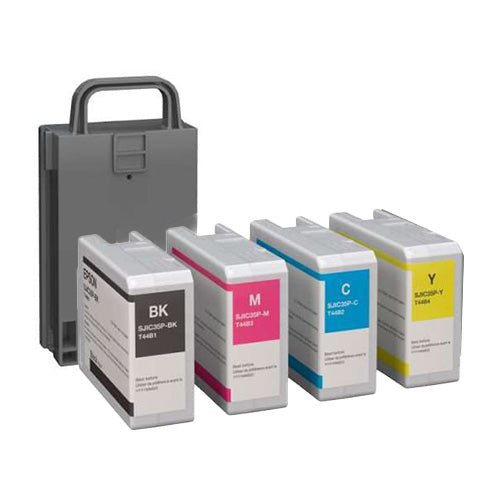
ENSURE MAXIMUM DURABILITY by matching your Polyester material with the correct printing technology. We recommend high-resin ribbons for thermal transfer or pigment-based inks for inkjet systems like the Epson ColorWorks C6000A Label Printer.
4. Chemical Attack on the Top Coat
In a chemical plant, labels are regularly exposed to the very substances they are identifying. Whether it is oil, solvents, or corrosive acids, these substances can attack the top coat of the Polyester Label.
When the top coat is compromised, the printed information: including the Safety Data Sheets (SDS) references and hazard statements: becomes illegible. Many "standard" Polyester Labels are designed for general industrial use, not for direct chemical exposure. For GHS Compliance, you need a Chemical Resistant Polyester specifically designed to withstand the harsh chemicals your facility handles.
Key Resistance Features to Look For:
- Solvent Resistance: Protection against acetone, MEK, and alcohols.
- Oil Resistance: Essential for lubricants and hydraulic fluids.
- UV Stability: Prevents yellowing and brittleness when stored outdoors.

5. Improper Label Scaling and Font Legibility
Compliance is not just about the label staying on; it is about the information being readable. GHS regulations dictate minimum sizes for labels and pictograms based on the capacity of the container. A common failure point occurs when a facility tries to use a "one-size-fits-all" approach to Blank Label Rolls.
If you are putting a small label on a 55-gallon drum, the GHS Pictograms may be too small to meet the legal requirements. Furthermore, if the text is crowded or the font is too small to read from a safe distance, an inspector may deem the label non-compliant.
SAVE YOURSELF TIME AND MONEY by implementing a labeling strategy that accounts for container volume and viewing distance. Our team at C4 Label Solutions provides technical support to help you choose the right sizes of Blank Label Rolls for every container in your plant.
How to Choose the Right Polyester Material
Finding the perfect Polyester Label requires an understanding of your environment, your printer, and your regulatory requirements. You should never guess when it comes to GHS and BS5609 Certified Labels.
At C4 Label Solutions, we offer a wide range of Professional-Grade materials designed to solve these specific challenges:
- High-Tack Polyester: Engineered for textured and LSE plastic drums.
- Matte White Polyester: Ideal for BS5609 Section 3 compliance with thermal transfer printers.
- Gloss Polyester: Exceptional for high-visibility branding and chemical resistance.
- Weatherproof Blank Labels: Built to withstand unrivaled environmental stress.
If you are unsure why your current labels are failing, we provide expert consultations to analyze your current process. We look at everything from the printer settings to the surface tension of your containers to ensure you get a Robust in Class solution.
Partner with the Experts in Chemical Labeling
Don't wait for an OSHA audit or a rejected shipment to fix your labeling issues. GHS Compliance is about more than just checking a box; it is about the safety of your facility and the integrity of your brand. Whether you need Moisture Resistant Label Rolls or specialized BS5609 materials, we have the inventory and the expertise to keep you compliant.
We carry a full line of hardware and supplies, including the Neuralabel 300x Ultra Label Printer, designed specifically for high-speed, compliant chemical labeling.
Contact C4 Label Solutions Today
Ready to upgrade your labeling system? Our team is standing by to provide the technical support and high-performance materials you need to ensure unrivaled compliance and durability.
CALL US TODAY: 713 828 4777
For more information on our products or to request a quote, visit our Contact Page. Let us help you find the perfect Polyester solution for your facility.