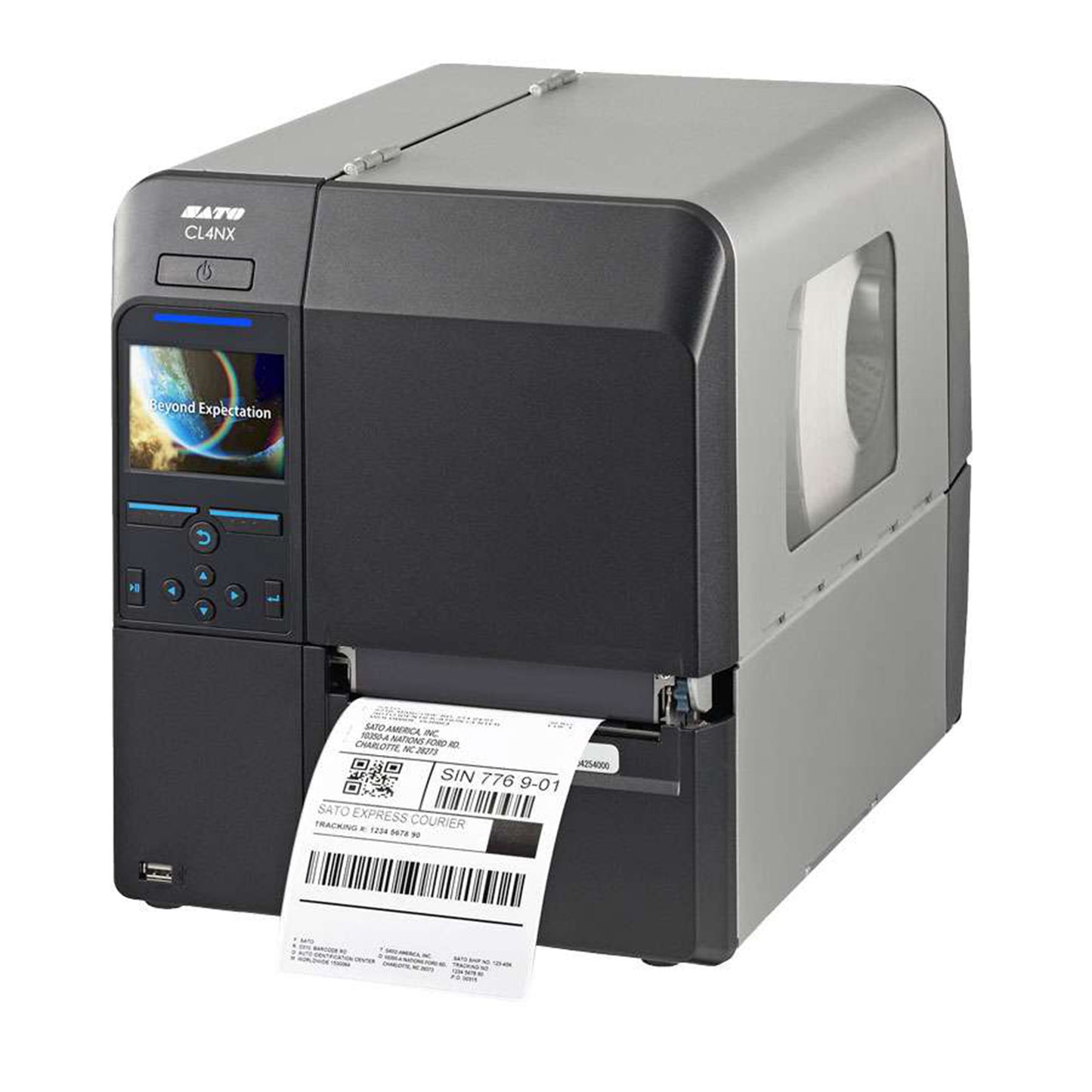


SATO CL4NX Plus 203 dpi 4.1" Thermal Transfer Printer
Couldn't load pickup availability
Description
The SATO CL4NX Plus 203 dpi 4.1" Thermal Transfer Printer is a rugged industrial barcode and label printer designed for high-demand printing environments. Built for warehouses, manufacturing facilities, logistics operations, retail distribution, healthcare, food production, automotive, and industrial labeling, the CL4NX Plus gives businesses a powerful 4-inch label printing platform with flexible configuration options for cutting, dispensing, wireless networking, date/time stamping, linerless labeling, and RFID encoding.
This 203 dpi model is a strong fit for standard barcode labels, shipping labels, inventory labels, pallet labels, carton labels, product ID labels, compliance labels, and general-purpose industrial labeling. It supports both thermal transfer and direct thermal printing, so businesses can print with ribbons for longer-lasting labels or use direct thermal media for shorter-term applications. SATO lists the 203 dpi CL4NX Plus with a maximum print width of approximately 4.09 inches and print speeds up to 14 inches per second.
The CL4NX Plus is especially valuable because it can be configured around the way your team actually labels products, cartons, assets, materials, or inventory. Some operations need a standard cutter. Others need a rotary cutter for heavier materials. Some need dispenser and rewinder options for peel-and-present workflows. Others need RFID encoding for asset tracking, inventory control, smart labels, healthcare workflows, or manufacturing traceability.
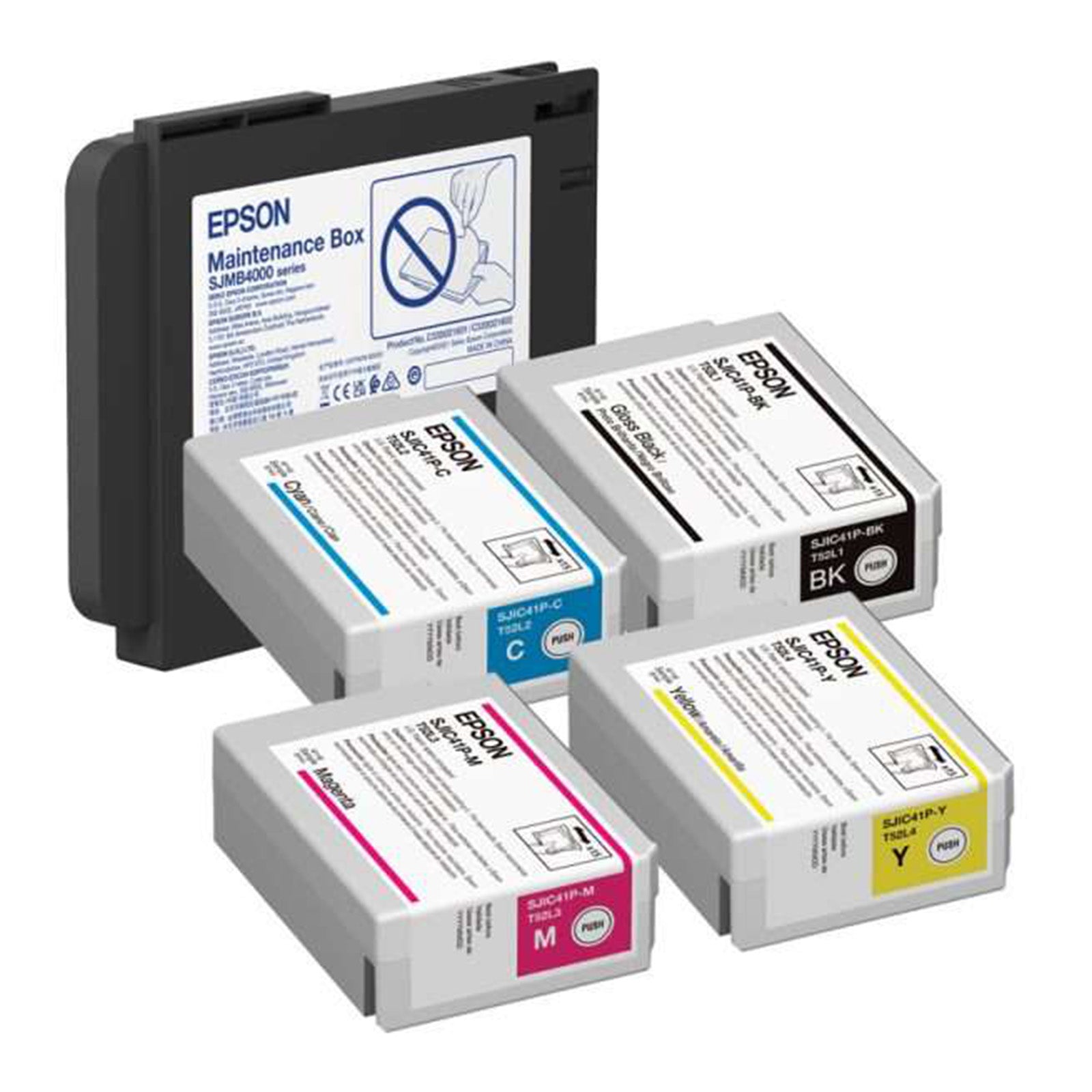
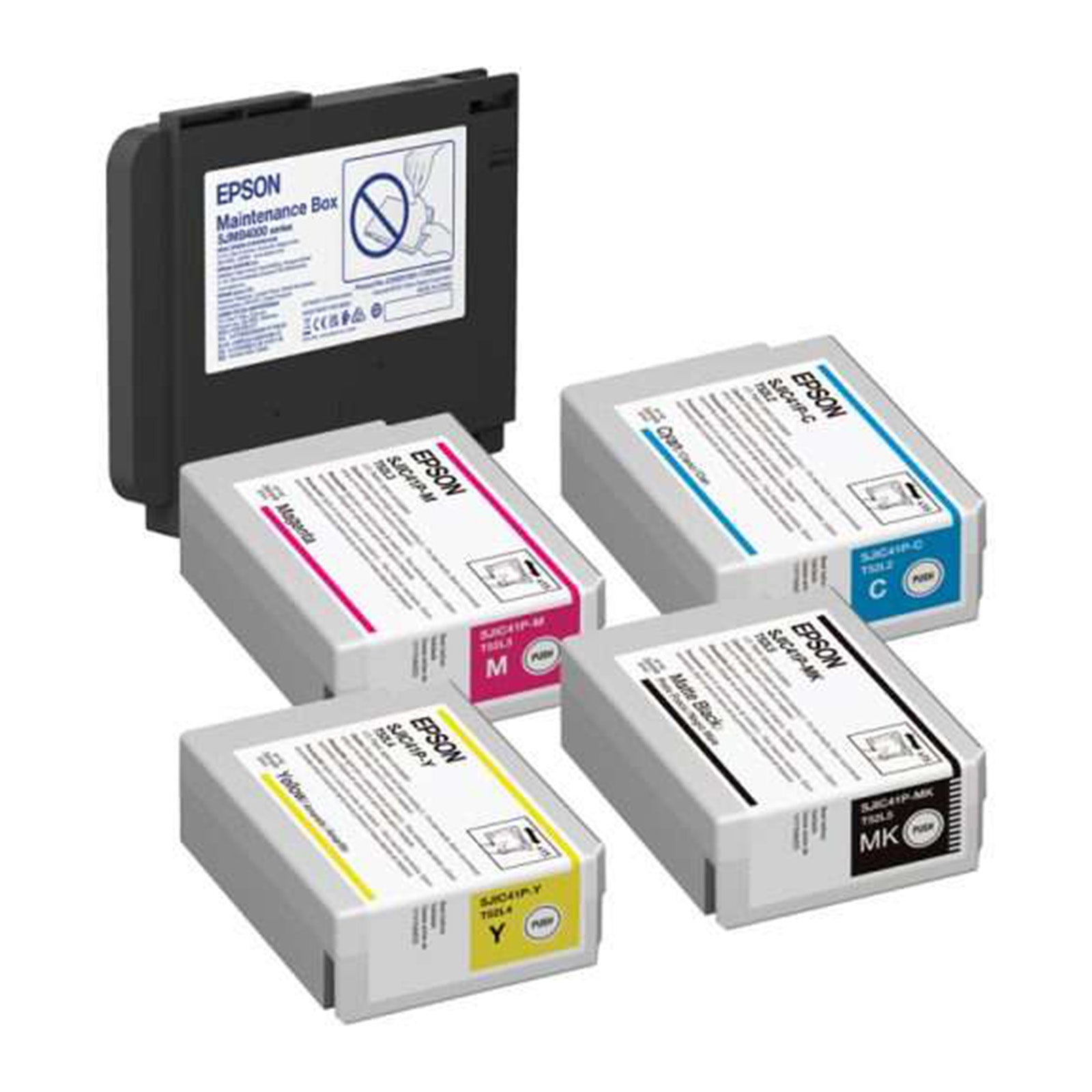
At C4 Label Solutions, we help businesses choose the right SATO CL4NX Plus configuration, along with compatible labels, ribbons, RFID media, cutter-ready materials, linerless media, adhesives, and application-specific supplies. This printer has many possible options, and the right choice depends on how the label is printed, separated, applied, scanned, encoded, and used in the field.
Key Features
- Industrial 4.1-inch thermal transfer label printer
- 203 dpi print resolution
- Supports thermal transfer and direct thermal printing
- Maximum print width of approximately 4.09 inches
- Print speeds up to 14 inches per second
- Built for barcode, shipping, warehouse, inventory, and product identification labels
- Supports large media rolls and long ribbon capacity
- Available with cutter, linerless cutter, rotary cutter, dispenser, rewinder, WLAN, RTC, UHF RFID, and HF RFID configurations
- RFID versions can print visible text/barcodes and encode supported RFID tags or labels
- Strong fit for manufacturing, warehousing, logistics, healthcare, food production, retail distribution, and industrial applications
Variant Options and What They Mean
Use Configuration as the Shopify variant option name.
Base Technology Terms
WLAN
WLAN means wireless networking. Choose a WLAN version if the printer needs to connect through Wi-Fi instead of only wired Ethernet, USB, or Serial.
RTC
RTC means real-time clock. Choose an RTC version if the printer needs to print accurate date and time information, such as production dates, expiration dates, time stamps, lot codes, batch codes, or traceability labels.
Cutter
A standard cutter cuts labels or tag stock after printing. This is useful when operators need individual labels or clean separation between print jobs.
Linerless Cutter
A linerless cutter is designed for compatible linerless label media, which does not use a traditional backing liner. This can reduce liner waste and may be useful in applications where liner disposal is a concern.
Rotary Cutter
A rotary cutter is designed for tougher or heavier cutting applications. SATO describes rotary cutter accessories as useful for labels and tags used with materials such as bricks, steel, chemical drums, lumber, care labels, and cement.
Dispenser
A dispenser presents the label for easier removal and application. This is useful when labels are printed and applied one at a time.
Rewinder
A rewinder collects the liner or printed labels after printing. In dispenser configurations, the internal rewinder is commonly used to take up the backing liner after the label is dispensed.
RFID Version UHF
UHF RFID is typically used for longer-range RFID tracking applications, such as inventory, logistics, warehousing, manufacturing, asset tracking, and supply chain workflows. SATO notes that RFID versions can print labels and encode embedded chips at the same time.
RFID Version HF
HF RFID is typically used for shorter-range RFID workflows and applications that may involve HF/NFC-style tags, depending on the media and system requirements. SATO’s CL4NX Plus RFID platform supports HF, UHF, and NFC label/tag workflows in compatible configurations.
Best Uses
- Barcode labels
- Shipping labels
- Carton labels
- Pallet labels
- Warehouse labels
- Inventory labels
- Manufacturing labels
- Product identification labels
- Asset tracking labels
- RFID labels and tags
- Healthcare labels
- Food production labels
- Automotive labels
- Retail distribution labels
- Compliance labels
- Date-coded labels
- Lot and batch labels
- Linerless labels with compatible configurations
Why Buy the SATO CL4NX Plus from C4 Label Solutions?
The SATO CL4NX Plus has many configuration choices, and that is where expert guidance matters. A standard cutter model, linerless cutter model, rotary cutter model, dispenser/rewinder model, or RFID model can each solve a different operational problem.
C4 Label Solutions can help businesses choose the correct setup for:
- Thermal transfer vs. direct thermal labels
- Ribbon selection
- Barcode readability
- Cutter vs. rotary cutter needs
- Linerless label applications
- Dispenser and rewinder workflows
- UHF RFID vs. HF RFID requirements
- WLAN connectivity
- RTC date/time labeling
- Label durability
- Compatible label rolls, tags, and ribbons
What is the SATO CL4NX Plus 203 dpi used for?
The SATO CL4NX Plus 203 dpi is used for industrial barcode labels, shipping labels, warehouse labels, manufacturing labels, inventory labels, product identification labels, RFID labels, and compliance labeling workflows.
Is the SATO CL4NX Plus thermal transfer or direct thermal?
The SATO CL4NX Plus supports both thermal transfer and direct thermal printing. Thermal transfer uses a ribbon for longer-lasting labels, while direct thermal uses heat-sensitive media without a ribbon.
What does WLAN mean?
WLAN means wireless networking. It allows the printer to connect through Wi-Fi instead of relying only on a wired connection.
What does RTC mean?
RTC means real-time clock. It allows the printer to keep accurate date and time information for date codes, lot codes, production dates, expiration dates, and traceability labels.
What is the difference between UHF RFID and HF RFID?
UHF RFID is commonly used for longer-range inventory, logistics, warehouse, and asset tracking. HF RFID is commonly used for shorter-range applications and compatible HF/NFC-style media. The best choice depends on your RFID system, label media, reading distance, and tracking requirements.
What is the difference between cutter, rotary cutter, linerless cutter, dispenser, and rewinder?
A cutter separates labels or tag stock after printing. A rotary cutter is intended for tougher cutting applications. A linerless cutter is used with compatible linerless media that has no backing liner. A dispenser presents the label for easy application, and a rewinder collects the liner or printed output depending on the setup.