

SATO CL6NX Plus 305 dpi 6.5" Thermal Transfer Printer
Couldn't load pickup availability
Description
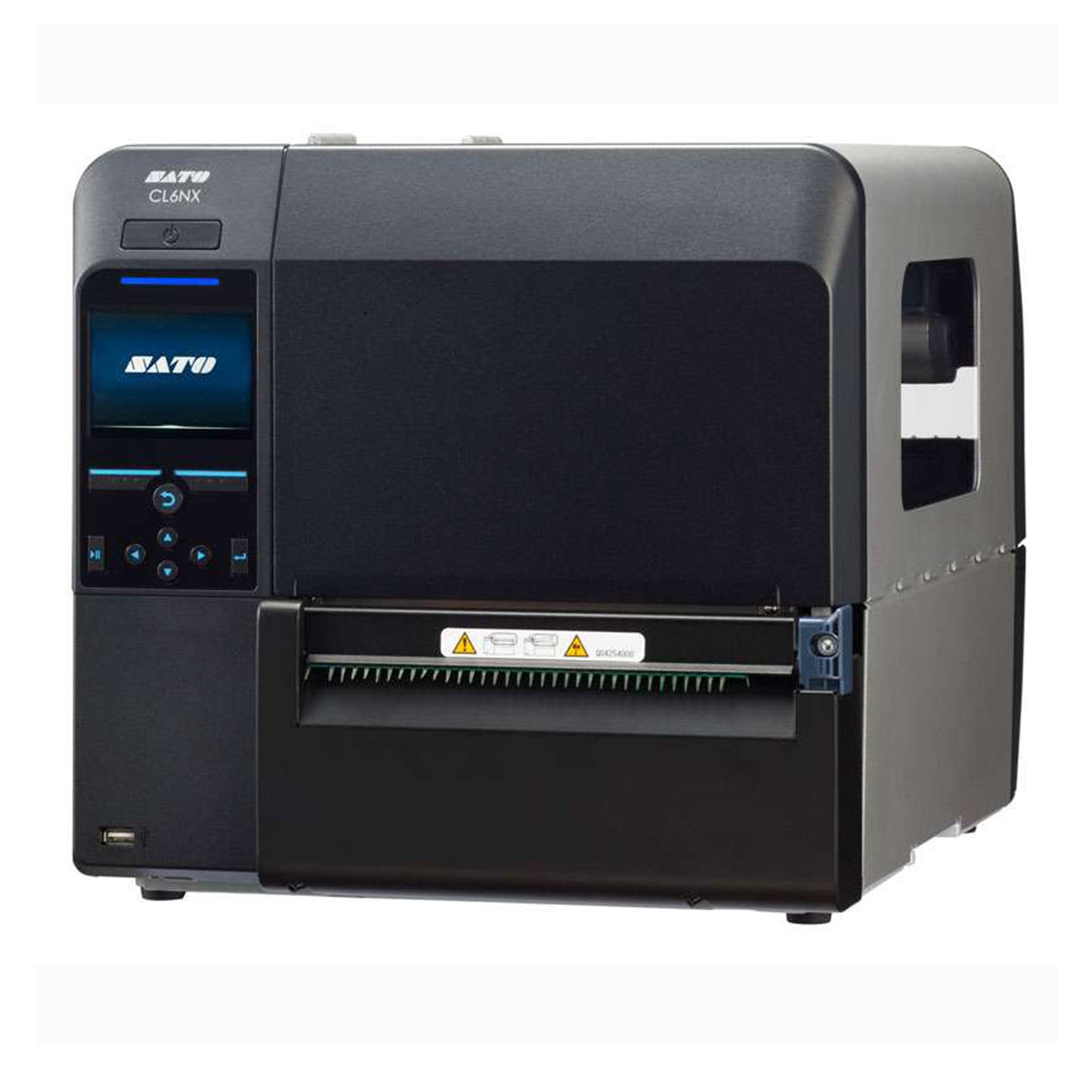
The SATO CL6NX Plus 305 dpi 6.5" Thermal Transfer Printer is an industrial wide-format label printer built for businesses that need dependable barcode printing, wider label output, and sharper 305 dpi print quality. Designed for manufacturing, warehousing, logistics, food production, healthcare, chemical, automotive, retail distribution, and industrial labeling environments, the CL6NX Plus gives teams a rugged printer platform for larger labels and more detailed label layouts.
This 305 dpi model is a strong choice when your labels need more clarity than standard 203 dpi output. It is especially useful for wide barcode labels, pallet labels, carton labels, drum labels, product identification labels, compliance labels, asset labels, healthcare labels, chemical labels, food production labels, and manufacturing labels that include smaller text, denser barcodes, batch data, lot codes, or regulatory information.
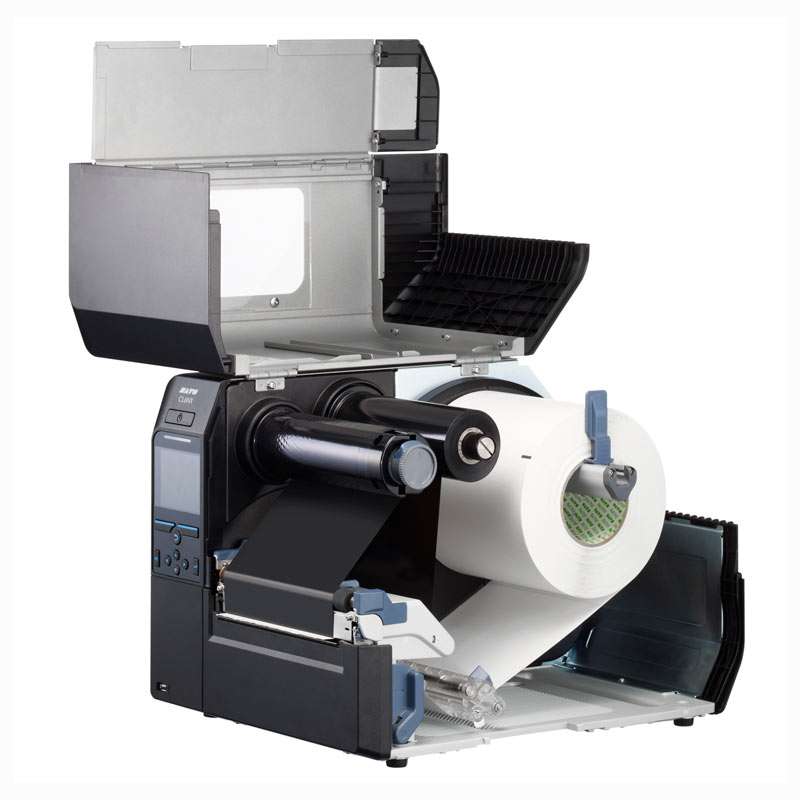
The CL6NX Plus supports both thermal transfer and direct thermal printing. Thermal transfer printing uses a ribbon and is typically chosen for longer-lasting labels that need better durability. Direct thermal printing uses heat-sensitive media without a ribbon and is often used for shorter-term labels. The CL6NX Plus platform also supports flexible connectivity, industrial emulations, durable construction, and high-capacity media handling.
This product includes four configuration options: Base Model, HF/RTC, WLAN, and HF/WLAN/RTC. The HF options are intended for HF RFID workflows, while RTC adds real-time clock functionality and WLAN adds wireless networking. Choosing the correct configuration matters because RFID, wireless connectivity, and date/time printing each serve different operational needs.
At C4 Label Solutions, we can help you match the SATO CL6NX Plus 305 dpi printer with the right labels, ribbons, RFID media, adhesives, and workflow setup. With a wide-format industrial printer, the printer is only one part of the system. The label material, ribbon, adhesive, RFID inlay, and application environment all affect how well the final label performs.
Key Features
- Industrial 6.5-inch thermal transfer label printer
- 305 dpi print resolution
- Supports thermal transfer and direct thermal printing
- Wider label output than standard 4-inch industrial printers
- Good fit for sharper barcodes, smaller text, and detailed label layouts
- Supports large media rolls up to 8.6" outer diameter
- Supports ribbons up to 1,968 feet / 600 meters
- Available with Base Model, HF/RTC, WLAN, and HF/WLAN/RTC configurations
- HF RFID configuration options for compatible HF RFID label workflows
- Rugged industrial design for demanding production environments
- Strong fit for warehouse, manufacturing, logistics, healthcare, food, chemical, and industrial application
HF/RTC
Choose HF/RTC when you need HF RFID encoding and real-time clock functionality.
HF stands for High Frequency RFID. HF RFID is commonly used for shorter-range RFID workflows and compatible HF/NFC-style tags, depending on the system and media being used. This can be helpful for item-level tracking, healthcare labeling, document tracking, access-control style media, or other applications where HF RFID is required.
RTC stands for real-time clock. It allows the printer to keep accurate date and time information for labels that need production dates, expiration dates, lot codes, batch codes, or time-based traceability.
This is useful for:
- HF RFID label encoding
- Item-level tracking labels
- Healthcare or laboratory labels
- Product traceability labels
- Date-coded labels
- Batch and lot labels
- Compliance labels
- Applications using compatible HF RFID media
WLAN
Choose WLAN when you need wireless network connectivity.
WLAN means wireless local area network, or Wi-Fi. This option allows the printer to connect wirelessly instead of relying only on a wired network connection.
This is useful for:
- Warehouses where cable runs are inconvenient
- Production areas with flexible workstations
- Shipping stations without a fixed Ethernet drop
- Facilities that move printers between work areas
- Shared printer environments
- Wide-label printing areas that need flexible placement
HF/WLAN/RTC
Choose HF/WLAN/RTC when you need HF RFID encoding, wireless networking, and real-time clock functionality in one configuration.
This is the most complete option listed for this product. It is best when the printer needs to encode compatible HF RFID labels, connect through Wi-Fi, and print accurate date/time information for traceability.
This is useful for:
- Wireless HF RFID label workflows
- Healthcare or lab traceability labels
- Item-level tracking labels
- Compliance labels with date/time data
- Batch, lot, and production date labels
- Facilities needing flexible printer placement
- RFID-enabled production or warehouse workflows
Best Uses
- Wide barcode labels
- Shipping labels
- Carton labels
- Pallet labels
- Drum labels
- Warehouse labels
- Inventory labels
- Manufacturing labels
- Product identification labels
- HF RFID labels
- Healthcare labels
- Laboratory labels
- Food production labels
- Chemical labels
- Automotive labels
- Compliance labels
- Batch and lot labels
- Date-coded labels
Why Buy the SATO CL6NX Plus 305 dpi from C4 Label Solutions?
The SATO CL6NX Plus 305 dpi is built for wider industrial labels, but the right configuration and supplies matter. HF RFID media, ribbon selection, adhesive type, label width, barcode requirements, and network setup all affect whether the printer performs well in the real world.
C4 Label Solutions can help businesses choose the correct setup for:
- 305 dpi vs. 203 dpi print needs
- CL6NX Plus vs. CL4NX Plus printer sizing
- HF RFID label requirements
- Thermal transfer vs. direct thermal media
- Ribbon selection and ribbon width
- Barcode readability
- Label durability
- Adhesive requirements
- RTC date/time labeling
- WLAN network requirements
- Compatible label rolls, tags, ribbons, and RFID supplies
What is the SATO CL6NX Plus 305 dpi used for?
The SATO CL6NX Plus 305 dpi is used for wide-format barcode labels, shipping labels, pallet labels, carton labels, warehouse labels, product identification labels, manufacturing labels, compliance labels, and compatible HF RFID label workflows.
Why choose 305 dpi instead of 203 dpi?
Choose 305 dpi when your labels need sharper barcodes, smaller text, more detailed layouts, or improved readability compared with standard 203 dpi output.
What does HF mean on this SATO CL6NX Plus option?
HF means High Frequency RFID. It is used for compatible HF RFID labels or tags, typically in shorter-range RFID workflows. The correct RFID option depends on your RFID media, reader system, scanning distance, and tracking requirements.
What does RTC mean?
RTC means real-time clock. It helps the printer keep accurate date and time information for labels that include production dates, expiration dates, lot codes, batch codes, or traceability data.
What does WLAN mean?
WLAN means wireless networking, or Wi-Fi connectivity. Choose a WLAN version when the printer needs to connect to your network wirelessly.